
What Is a Chief Data Officer in 2026? Many people working within the data industry are saying the same thing: the role of the Chief Data Officer (CDO) has changed – but how? CDO Magazine began an expert survey to find out. We recent...
Generative + Agentic AI: Moving From Experimentation to Enterprise Scale Generative and agentic AI are making their way into enterprise production, bringing new questions for Chief Data Officers (CDOs) and other data and AI leaders responsible for making these technologies...
Leadership Summit – Boston – Westin Boston Seaport District – December 10, 2026 Join top AI and Data leaders in Boston to explore the strategies, governance, and innovations driving enterprise performance. Connect, learn, and gain actionable insights — reserve your seat today.
Community
From AI Ambition to Business Impact: Data and AI Leaders Confront the Realities of Scale at CDO Magazine’s Cincinnati Leadership Summit
More than 150 executives gathered in Cincinnati to discuss measurable AI value, agentic AI governance, trusted enterprise data, and the evolving responsibilities of data and AI leadership.

Written by: Camille Prado, Global Editor, CDO Magazine
Updated 4:38 PM EST, November 23, 2026
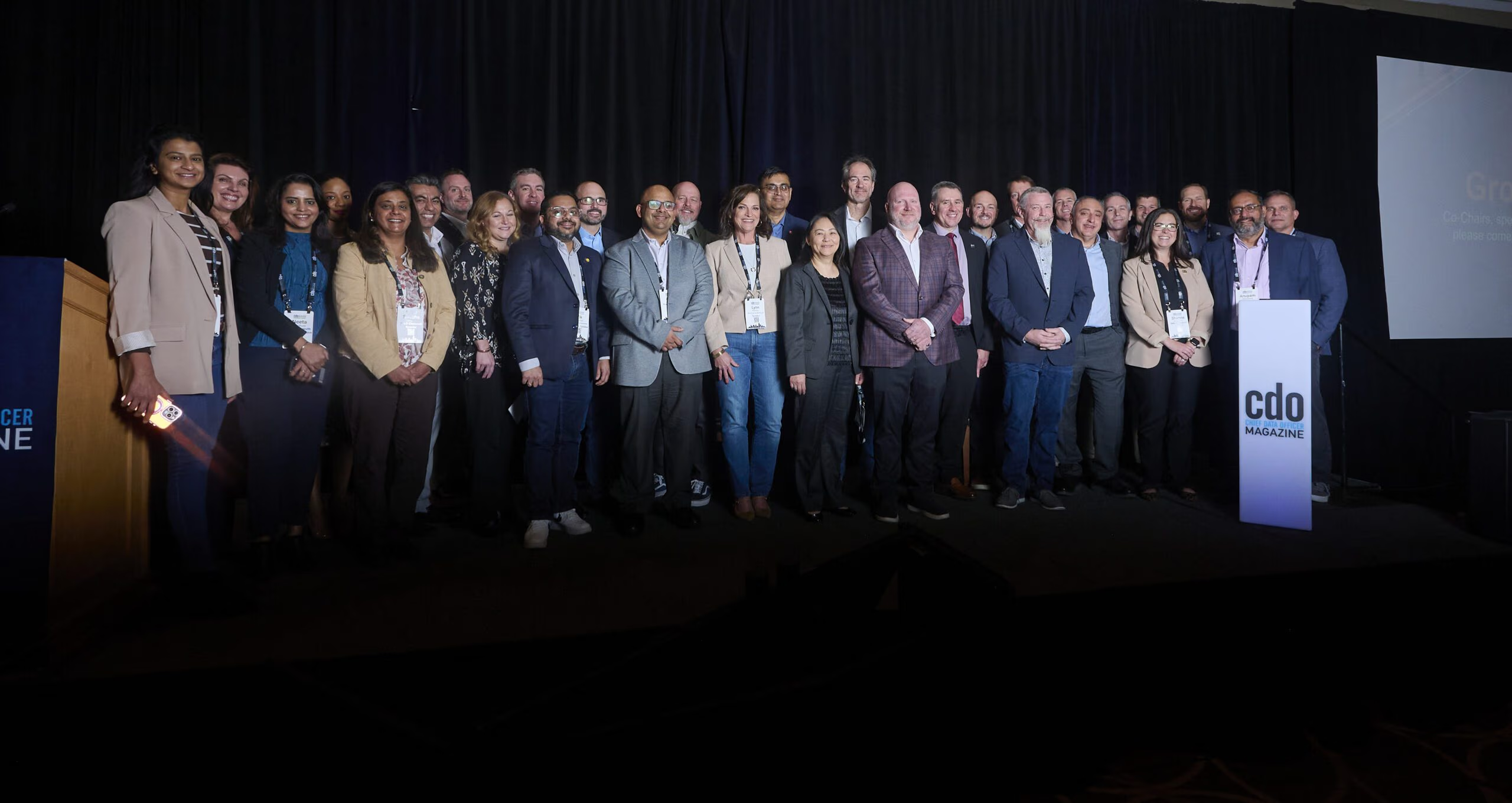
Co-chairs, speakers, and panelists gather at CDO Magazine’s Cincinnati Leadership Summit on November 19, 2026, at the Westin Cincinnati.
More than 150 executives came together at CDO Magazine’s Cincinnati Leadership Summit on November 19, 2026, at the Westin Cincinnati, for a day of discussions about the challenges and opportunities shaping enterprise data and artificial intelligence.
Across keynotes, breakout sessions, and executive networking, leaders compared how their organizations are putting AI to work, addressing persistent data challenges, and adapting their operating models as the technology becomes more capable.
The conversations reflected a shift in how organizations define AI maturity. Experimentation remains important, but leaders are increasingly focused on measurable business outcomes, responsible deployment, and the organizational capabilities required to sustain AI at scale.
The Summit covered five core discussion tracks: Data & AI Strategy, Value & Business Impact; Data Architecture, Enablement & Foundations; Generative AI Opportunities, Impact & the Future of AI; Responsible AI, Ethics, Regulation & Governance; and Leadership, Talent & Organizational Transformation.
From agentic AI applications and cybersecurity to enterprise knowledge, data governance, and executive accountability, the sessions addressed practical questions facing Chief Data Officers (CDOs) and their counterparts across technology, risk, security, and business leadership.
CDO Magazine thanks the Cincinnati Leadership Summit co-chairs for their leadership and contributions to the community:
- Mike Brigger, Cintas Sr. Director, Data Enablement
- Chris Eldredge, MeridianLink VP, Data
- Rob Golden, GAIG Chief Data & Analytics Officer
- Ravi Katyal, Cintas Manager, Emerging Tech
- Nate Murray, Fifth Third Bank Chief Data Officer
- Bharath Prabhakaran, University of Cincinnati Vice President and Chief Digital Officer
- Brian Shea, MedOne Healthcare Partners Chief Information Officer
AI transformation is redefining executive leadership
The Summit opened with a discussion about how artificial intelligence is changing the expectations, responsibilities, and compensation of enterprise data and technology leaders.
The opening keynote, “Executive AI Transformation: The Demand and Compensation Packages for Leadership in the Enterprise and Private Equity,” brought together executives to consider the growing demand for leaders who can connect AI strategy with business transformation.
Moderated by Michael Butts, Burtch Works CEO, the discussion featured Jane Rheem, Sidley Austin Chief Data & AI Officer; Neeta Upadhyay, Cardinal Health Director, Data & AI Product; and Jonathan Peña, Humana Associate Vice President, Growth Analytics & AI.
The conversation addressed how organizations are redefining senior leadership roles as AI becomes more deeply integrated into business operations. It also considered executive compensation, hiring demand, and the organizational capabilities required to translate AI investments into business results.
The discussion connected to a broader question that surfaced throughout the Summit: What will distinguish successful data and AI leaders as organizations move toward more autonomous technologies and increasingly demanding expectations for business value?
That question returned later in the day during “The CDO Mandate for 2027: What Will Data & AI Leaders Actually Be Accountable For?” as executives considered how Chief Data Officer responsibilities are changing.
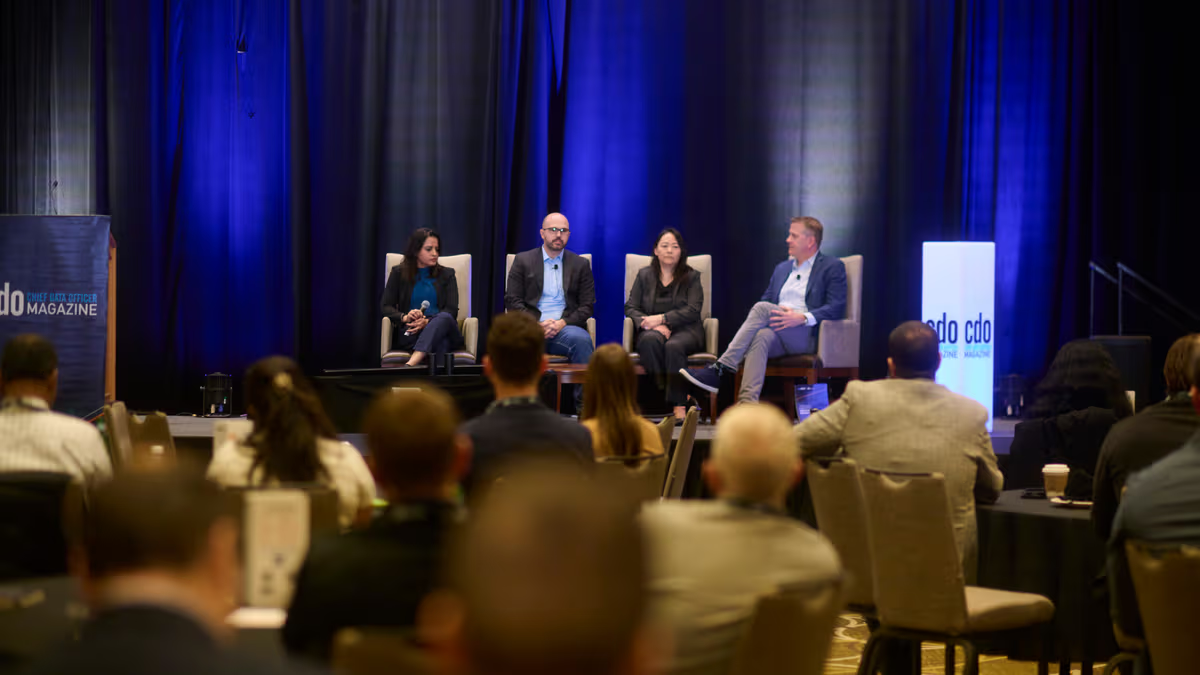
Michael Butts, Burtch Works CEO, moderates Jane Rheem, Sidley Austin Chief Data & AI Officer; Neeta Upadhyay, Cardinal Health Director, Data & AI Product; and Jonathan Peña, Humana Associate Vice President, Growth Analytics & AI, during the opening keynote on executive AI transformation, leadership demand, and compensation at CDO Magazine’s Cincinnati Leadership Summit.
AI maturity is increasingly measured by business outcomes
The pressure to demonstrate meaningful returns on AI investments was a central topic in Cincinnati.
As organizations expand their AI capabilities, the challenge is shifting from identifying potential applications to determining which initiatives warrant continued investment and how their success should be measured.
The breakout session, “From AI Possibility to Business Value: Choosing the Use Cases Worth Scaling,” addressed that challenge directly, bringing together leaders to consider how organizations prioritize AI opportunities and connect technology investments to business needs.
Ravi Katyal, Cintas Manager, Emerging Tech, saw growing maturity in the approaches executives described throughout the day:
“The CDO Magazine Cincinnati Leadership Summit, as always, was a great gathering of senior leaders close to the action, sharing real-world experiences and perspectives. What stood out to me was the growing maturity across organizations in AI adoption and enablement, increasingly anchored in business value and outcomes.”
For Katyal, that maturity is becoming visible in how organizations evaluate success:
“AI maturity: Increasingly measured by business outcomes, not just experimentation.”
The conversation also extended to the cost of scaling AI. In “The AI Cost Reality Check: What Does It Really Cost to Scale AI?” executives considered the financial and operational implications of moving beyond isolated use cases.
Ross Schalmo, Eaton VP, Chief Data & AI Officer, emphasized that achieving meaningful results requires attention to business processes as well as technology:
“You can’t trust AI if you can’t trust your data, and you can’t trust your data if you can’t trust your business processes. Investment in process mapping, simplification, and organizational change management needs to be part of the Board-level mandate when reviewing the success of your AI programs.”
His perspective reflects an increasingly important dimension of Chief Data Officer responsibilities: connecting data and AI investments to the business processes, organizational decisions, and measurable outcomes they are intended to improve.
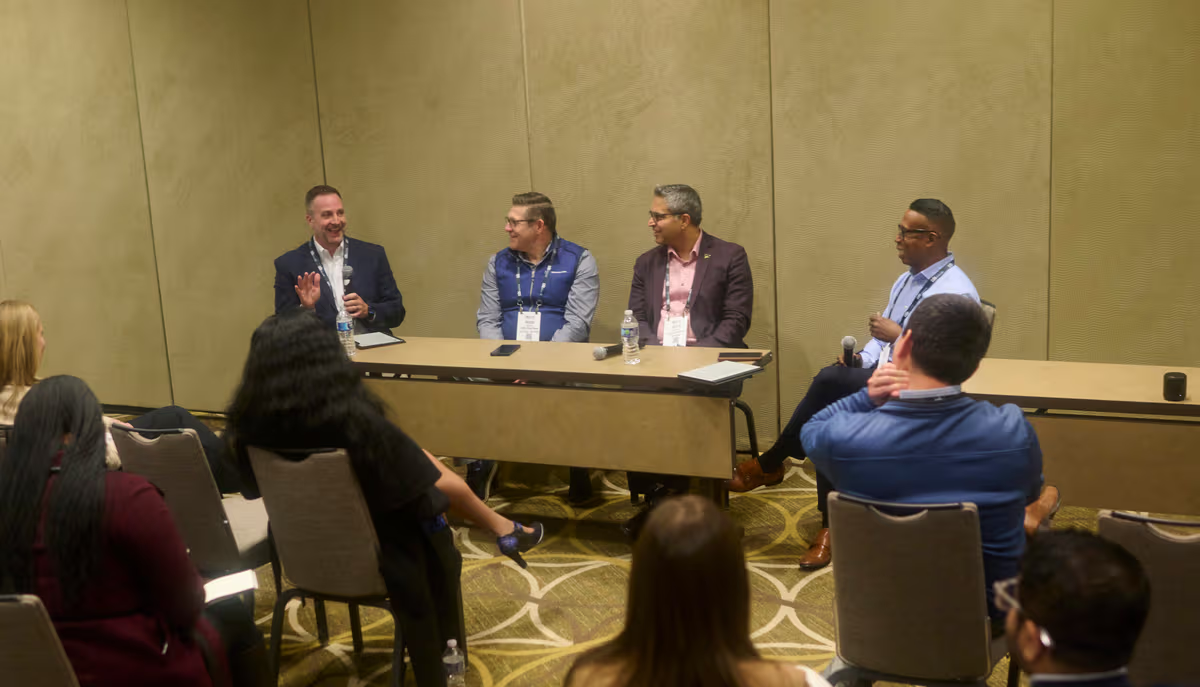
Mark Johnson, CoStrategix CGO and Head of Data & Analytics Practice, moderates Nate Murray, Fifth Third Bank Chief Data Officer; Rob Golden, GAIG Chief Data & Analytics Officer; and Amit Parulekar, Brown-Forman VP, Data and AI Strategy, during “From AI Possibility to Business Value: Choosing the Use Cases Worth Scaling” at CDO Magazine’s Cincinnati Leadership Summit.
Agentic AI moves from experimentation to operational responsibility
Agentic AI was another prominent topic, with executives addressing what happens when AI systems move beyond generating information to making decisions and taking action.
The session “Agentic AI Gets a Real Job: Where Are Agents Actually Delivering Today?” focused on the practical differences between promising demonstrations and AI agents operating within real business processes.
Panelists considered which applications are delivering value, where implementation challenges remain, and how organizations should approach autonomy, oversight, and responsible deployment.
Bharath Prabhakaran, University of Cincinnati Vice President and Chief Digital Officer, who also served as a Summit co-chair, identified agentic AI as one of the day’s most important themes:
“Agentic AI is here and needs rethinking of identity management, governance, as well as finding the right use cases and ROI.”
He also pointed to persistent challenges involving data architecture, quality, silos, and security as enterprises expand their AI capabilities.
“Security remains an ongoing concern and challenge and is being exacerbated by Agentic AI and AI in general.”
Monica Kedzierski, Claritev Head of Responsible AI, AI Governance & AI Enablement, joined Prabhakaran, Katyal, and Ninad Umrani, Elevance Health Vice President, AI and Digital Transformation, for the agentic AI discussion.
The panel’s focus reflected a broader shift in AI Governance strategy. As agents become capable of acting within enterprise systems, organizations need controls that address identity, access, accountability, and changing operational risks.
The keynote “Used Tires on an F1: Why Old Controls Won’t Work for Agentic AI” addressed similar concerns, including the limitations of security and governance practices originally designed around human users and predictable tasks.
For Chief Data Officers and AI leaders, the challenge is establishing an AI Governance framework that supports innovation while maintaining appropriate oversight.
Katyal described operational readiness as increasingly dependent on observability, governance, and responsible AI as agents enter production.
The implication is that AI Governance cannot remain a one-time approval process. Organizations need mechanisms to monitor AI activity, evaluate risk, and intervene when necessary.
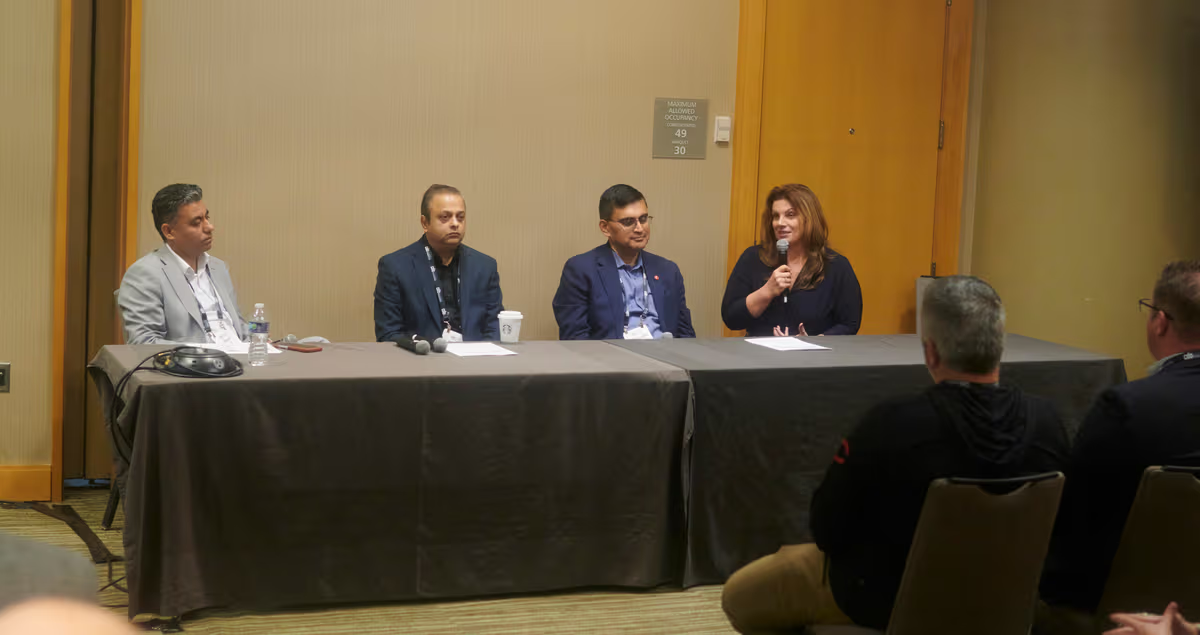
Ravi Katyal, Cintas Manager, Emerging Tech, moderates Ninad Umrani, Elevance Health Vice President, AI and Digital Transformation; Bharath Prabhakaran, University of Cincinnati Vice President and Chief Digital Officer; and Monica Kedzierski, Claritev Head, Responsible AI, AI Governance & AI Enablement, during “Agentic AI Gets a Real Job: Where Are Agents Actually Delivering Today?” at CDO Magazine’s Cincinnati Leadership Summit.
Enterprise knowledge becomes essential to AI performance
Even as AI systems become more sophisticated, organizations continue to confront a familiar problem: much of their most valuable information remains difficult to find, interpret, and use.
The Summit addressed that challenge through discussions about enterprise knowledge, unstructured data, and the importance of business context in AI systems.
Matthew Halliday, 4MINDS Chief Product Officer, delivered the keynote “Fast, Confident and Wrong: AI Agents Need a Knowledge Graph to Be Right—One Built on What You Already Have.”
His presentation focused on how knowledge graphs can help AI agents work with enterprise-specific information and the context that makes business data meaningful.
“The CDO Magazine event in Cincinnati was a day of thoughtful, substantive conversation. Following my keynote on grounding models in business data through a graph, and training open weight models on that graph, attendees engaged deeply on ontologies and knowledge graphs.”
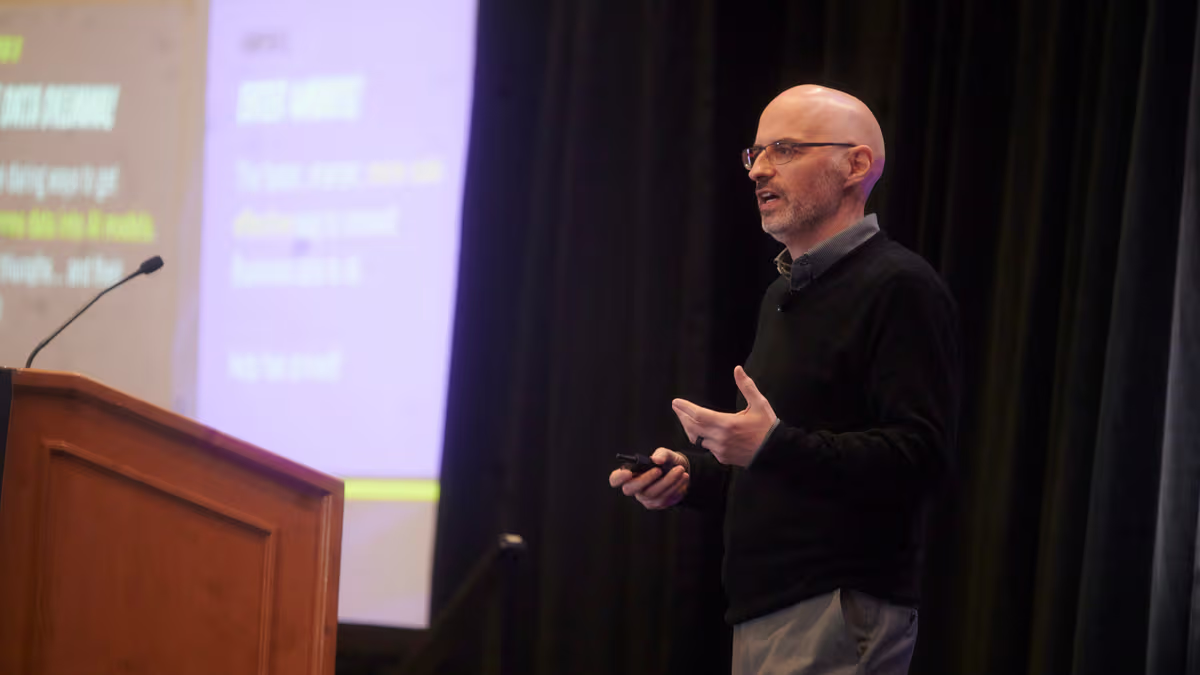
Matthew Halliday, 4MINDS Chief Product Officer, discusses how knowledge graphs can provide AI agents with the business context needed to produce reliable results during his keynote, “Fast, Confident and Wrong: AI Agents Need a Knowledge Graph to Be Right—One Built on What You Already Have,” at CDO Magazine’s Cincinnati Leadership Summit.
For Halliday, the discussions also reflected a change in executive responsibilities.
“The discussions underscored how the CDO’s role is evolving, with responsibility for context layers and knowledge graphs becoming a core part of the job.”
That growing responsibility was also evident in the breakout session “The Dark Data Problem: Is Your Enterprise Knowledge Ready for AI?”
The discussion addressed the challenges of making unstructured enterprise information, including documents, contracts, emails, policies, and other content, accessible and trustworthy for AI applications.
Shankar Ranganathan, ADM Global VP, Data & AI, appreciated the opportunity to engage with executives confronting those challenges.
“Had a great time presenting at the CDO Exchange. The audience was engaged and asked sharp questions about dark data and how to master it.”
The discussions illustrate why trusted enterprise knowledge is becoming an important part of AI readiness. Making information available is only one part of the challenge. Organizations must also ensure that AI systems can interpret that information within the appropriate business context.
Beyond AI hype: Business ownership drives real impact
The closing Super Keynote, “Beyond AI Hype: What Does It Take to Deliver Real Impact?” brought the day’s discussions back to a central business question: How can organizations translate AI capabilities into sustainable results?
Milen Mahadevan, The Kroger Company Chief Data & AI Officer and 84.51° President & CEO, joined Chandra Donelson, award-winning data and AI strategist and bestselling author, for a conversation about business-led AI transformation, trusted data, organizational readiness, and the importance of execution.
The discussion focused on how organizations can move beyond experimentation by identifying the problems worth solving, establishing clear accountability, and creating operating models that support faster decisions and continuous learning.
The importance of business ownership also resonated with Ranganathan, who attended the keynote.
Shankar Ranganathan, ADM Global VP, Data & AI, appreciated the speakers’ emphasis on co-ownership with business stakeholders.
“Enjoyed the keynote from Milen and Chandra, especially their emphasis on co-ownership with the business to drive value from data and AI.”
He also connected their message about execution to ADM’s approach.
“Their point about faster execution and learning as you go matches how we’re impacting the business at ADM.”
The Super Keynote reinforced a practical distinction: achieving business impact requires more than deploying new technology. Organizations must connect AI initiatives to business priorities, establish ownership, and give teams the ability to act on what they learn.
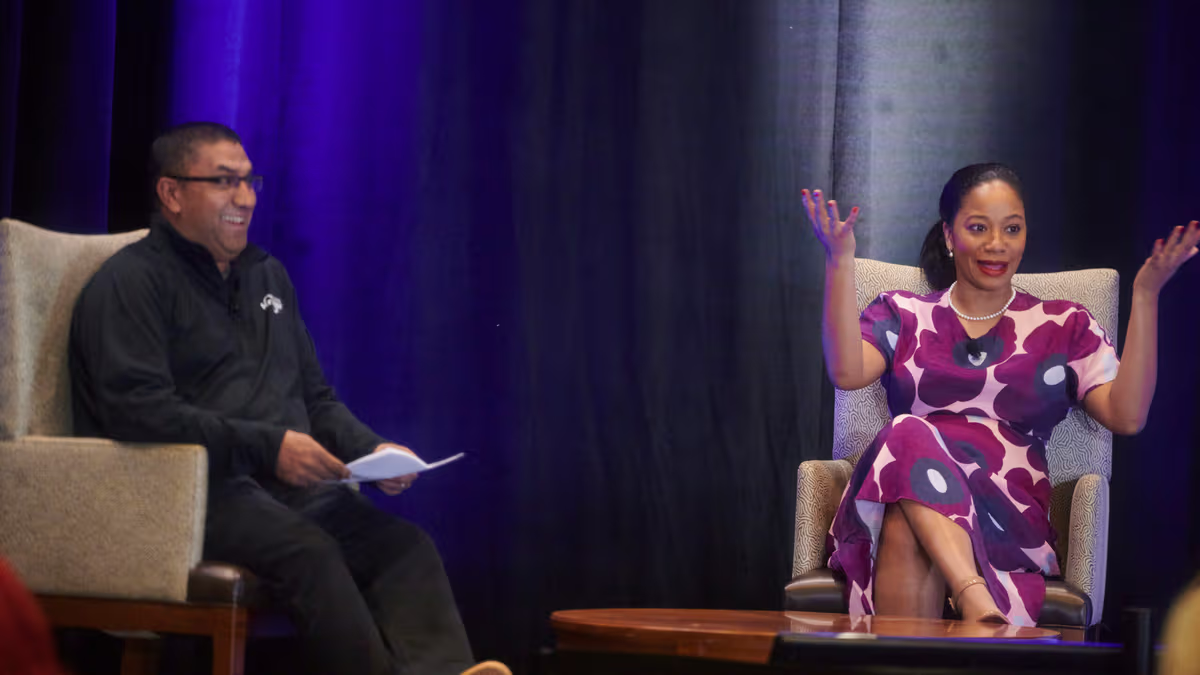
Milen Mahadevan, The Kroger Company Chief Data & AI Officer and 84.51° President & CEO, joins Chandra Donelson, award-winning data and AI strategist and bestselling author, for the Super Keynote, “Beyond AI Hype: What Does It Take to Deliver Real Impact?” at CDO Magazine’s Cincinnati Leadership Summit.
The Chief Data Officer mandate continues to expand
The changing responsibilities of senior data executives received particular attention as organizations considered how AI is reshaping enterprise leadership.
In “The CDO Mandate for 2027: What Will Data & AI Leaders Actually Be Accountable For?” executives addressed the growing expectations placed on data leaders.
The session considered how Chief Data Officer responsibilities are changing as AI becomes more deeply integrated into business operations, including questions about ownership, accountability, executive influence, and the metrics used to evaluate success.
The discussion also raised an important organizational challenge: data leaders may increasingly be expected to deliver AI outcomes without directly controlling every technology platform, business process, or operational decision involved.
For CDOs, that creates a need to build stronger relationships across business functions and establish clearer accountability for results.
The Summit’s leadership discussions extended beyond executive responsibilities to the capabilities organizations need for the next phase of AI adoption.
“Build, Buy or Borrow? Rethinking the Data & AI Workforce for 2027” addressed how organizations are approaching talent development, external expertise, and changing workforce requirements.
Another session, “Built To Outlast: Why Most Teams Don’t Survive Their Leaders, and How to Design Ones That Do,” focused on the organizational foundations required to build durable teams.
Together, these discussions reflected a broader recognition that AI transformation requires more than technical expertise. Leadership, organizational design, business ownership, and workforce development are increasingly important to achieving sustainable results.
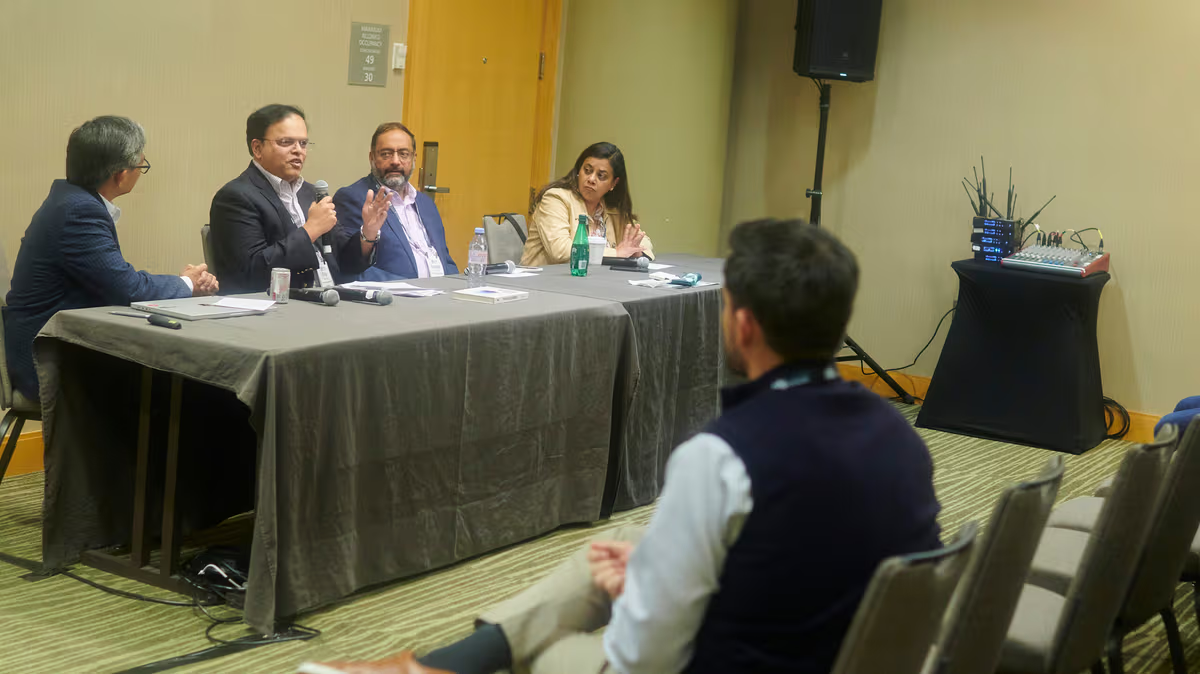
Ben Blanquera, Rackspace Technology VP, AI & Sustainability, moderates a discussion with Anupam Srivastava, State of Ohio CIO; Shubha Sampath, FHLB Cincinnati VP, Chief Data Officer; and Dilip Kamath, Total Quality Logistics VP, Data & Analytics, during “The CDO Mandate for 2027: What Will Data & AI Leaders Actually Be Accountable For?” at CDO Magazine’s Cincinnati Leadership Summit.
Cincinnati’s data and AI community shares what is working
Beyond the formal agenda, the Cincinnati Leadership Summit provided opportunities for executives to compare experiences and learn directly from peers facing similar challenges.
For many participants, the opportunity to discuss real-world implementations was among the day’s most valuable aspects.
Rob Golden, GAIG Chief Data & Analytics Officer and Cincinnati Leadership Summit Co-chair, emphasized the value of connecting with peers who are navigating similar challenges:
“The Leadership Summit is a great formal and informal exchange of ideas and one of the best places to catch-up with old friends (and meet new ones!) who are part of our data & analytics community all working trying to solve the same problems. Over the years, I’ve interacted with so many interesting D&A practitioners from all different industries and always walk away from the event with something practical to apply.”
Christopher Eldredge, MeridianLink VP, Data, described the Summit as an important annual gathering for the regional data community:
“The Cincinnati Leadership Summit continues to be one of the best events of the year for the Data Community. This year I met a number of data and AI professionals that shared real-world scenarios and best practices that are currently in production at their organizations.”
Eldredge says those exchanges gave him a better understanding of how data and AI are evolving across professional teams and the organizations they support.
Nate Murray, Fifth Third Bank Chief Data Officer, also emphasized the importance of knowledge sharing and professional relationships:
“The 2026 Cincinnati CDO Magazine Summit was packed with knowledge sharing, relationship building, and opportunities for growth. I appreciate getting to be a part of this annual event, and soaking in lessons from Data & AI peers across the industry.”
For Prabhakaran, the opportunity to co-chair the Summit added another dimension to the experience:
“I was honored to Co-Chair the CDO Magazine Cincinnati Leadership Summit. It was an amazing day filled with great sessions and conversations around the current and future states of AI and Data and filled with some great networking and learning opportunities.”
The perspectives shared throughout the day reflected the value of bringing enterprise leaders together across industries, organizations, and professional disciplines.
Whether discussing agentic AI in production, the challenges of enterprise data governance, or the changing expectations of data leadership, participants had opportunities to compare approaches and learn from practical experience.
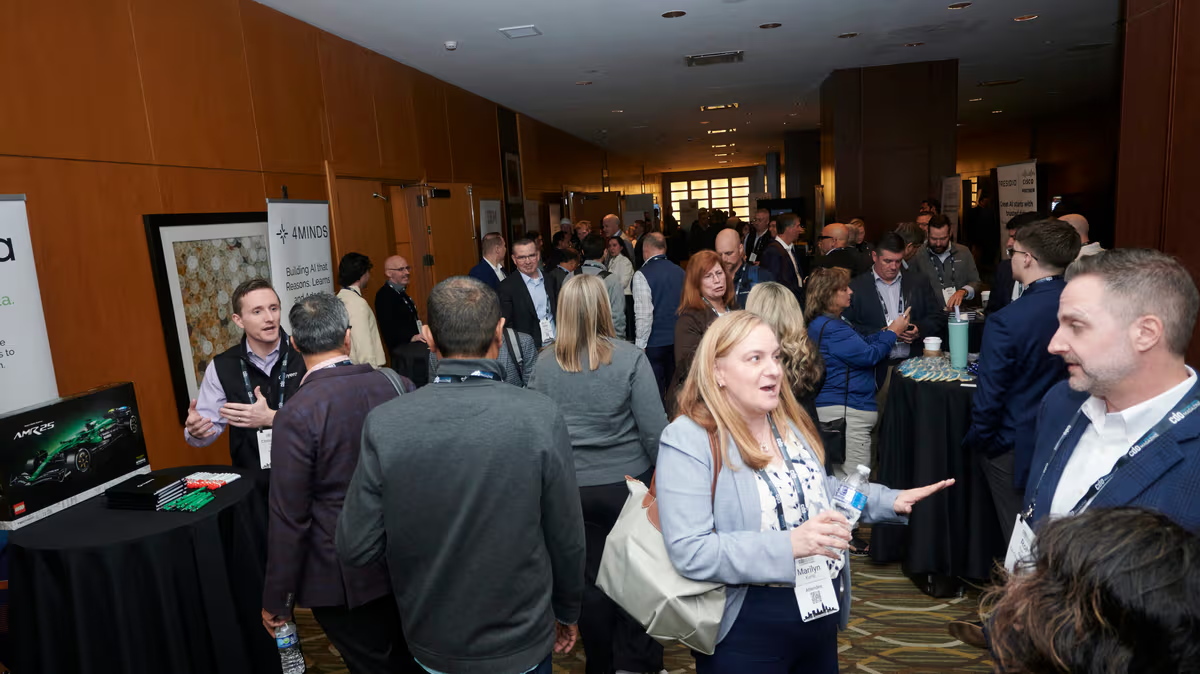
Data, analytics, and AI executives connect during CDO Magazine’s Cincinnati Leadership Summit, sharing experiences, practical insights, and perspectives on the challenges shaping enterprise data and AI leadership.
The conversations in Cincinnati reflected a data and AI leadership community increasingly focused on execution.
Organizations are moving forward with AI adoption while confronting the operational, organizational, and governance challenges that come with it.
For Chief Data Officers and their peers, the next stage of progress will depend on more than technological capability. It will require trusted data, stronger business ownership, responsible AI practices, and the ability to translate innovation into measurable outcomes.
The Cincinnati Leadership Summit provided a forum for leaders to share how they are approaching those challenges and learn from the experiences of others working toward similar goals.
Executives speaking at the CDO Magazine Cincinnati Leadership Summit included:
- Shanna Anderson, Fifth Third Bank SVP, Director of Enterprise Transformation – Data Conversion
- Steve Bartos, The Worthington Steel Company VP, Digital Transformation, AI & Data Analytics
- Gaby Batshoun, NKU Cyber Security Advisory Board Chair
- Ben Blanquera, Rackspace Technology VP, AI & Sustainability
- Mike Brigger, Cintas Sr. Director, Data Enablement
- Vik Chauhan, Pacers Sports & Entertainment VP of Data
- Chandra Donelson, CDAO, Global Award-Winning Data and AI Strategist, Bestselling Author and 3X CDAO
- Chris Eldredge, MeridianLink VP, Data
- Doug Fuller, Former TriHealth VP, Data & Analytics
- Rob Golden, GAIG Chief Data & Analytics Officer
- Dilip Kamath, Total Quality Logistics (TQL) VP, Data & Analytics
- Ravi Katyal, Cintas Manager, Emerging Tech
- Monica Kedzierski, Claritev Head, Responsible AI, AI Governance & AI Enablement
- Akhil Mahajan, Procter & Gamble Director
- Milen Mahadevan, The Kroger Company Chief Data & AI Officer and 84.51° President & CEO
- Prashant Mediratta, TaskUs VP, Data Architecture and Engineering
- Arun Kumar Moolchandani, Travelers AVP, Data Engineering
- Jonathan Paul, Fifth Third Bank VP, Director of IT (AI) Governance
- Jonathan Peña, Humana AVP of Growth Analytics & AI
- Bharath Prabhakaran, University of Cincinnati Vice President and Chief Digital Officer
- Amit Parulekar, Brown-Forman VP, Data and AI Strategy
- Shankar Ranganathan, ADM Global VP, Data & AI
- Jane Rheem, Sidley Austin Chief Data and AI Officer
- Nick Ritter, Former Worldpay CISO
- Nate Murray, Fifth Third Bank Chief Data Officer
- Ross Schalmo, Eaton VP, Chief Data & AI Officer
- Brian Shea, MedOne Healthcare Partners Chief Information Officer
- Chris Sibila, Purdue Federal Credit Union Chief Strategy and Experience Officer
- Corwin Smith, Wallick Communities Head, Data & Analytics
- Anupam Srivastava, DAS at State of Ohio CIO
- Ashley Stanifer, FBT Gibbons LLP Director of Information Security
- Ninad Umrani, Elevance Health Vice President, AI and Digital Transformation
- Neeta Upadhyay, Cardinal Health Director, Data & AI Product
- Lynn Watson, Dinsmore & Shohl LLP Director of Risk and Compliance
- Richard Bird, Cyera Principal AI & Identity Officer
- Michael Butts, Burtch Works CEO
- Mark Fee, Fifth Third Bank Consulting Platform Engineer
- Patrick Graves, Fifth Third Bank Senior Director of Data Engineering
- Michelle Grimm, Fifth Third Bank Senior Director, Data Engineering
- Matthew Halliday, 4MINDS Chief Product Officer
- Ramzi Harb, Horizon3 Principal Engineer
- Mark Johnson, CoStrategix CGO and Head of Data & Analytics Practice
- Arthy Krishnamurthy, Dataiku AI Transformation & Value Engineering Leader
- Brad King, Fifth Third Bank VP & Consulting Product Owner, Data Governance
- Dale Mumper, IBM Principal Data Platform Architect
- Fabricio Pimentel, Starburst Senior Solution Architect
- Ben Rottinghaus, Fifth Third Bank SVP & Senior Director of Data Engineering
- Jay Skeldon, Fifth Third Bank VP, Senior Director of Data Engineering
- Eric Ujvari, Impower.ai Practice Director, Software Engineering & AI
- Sean Wallent, Presidio Enterprise Architect
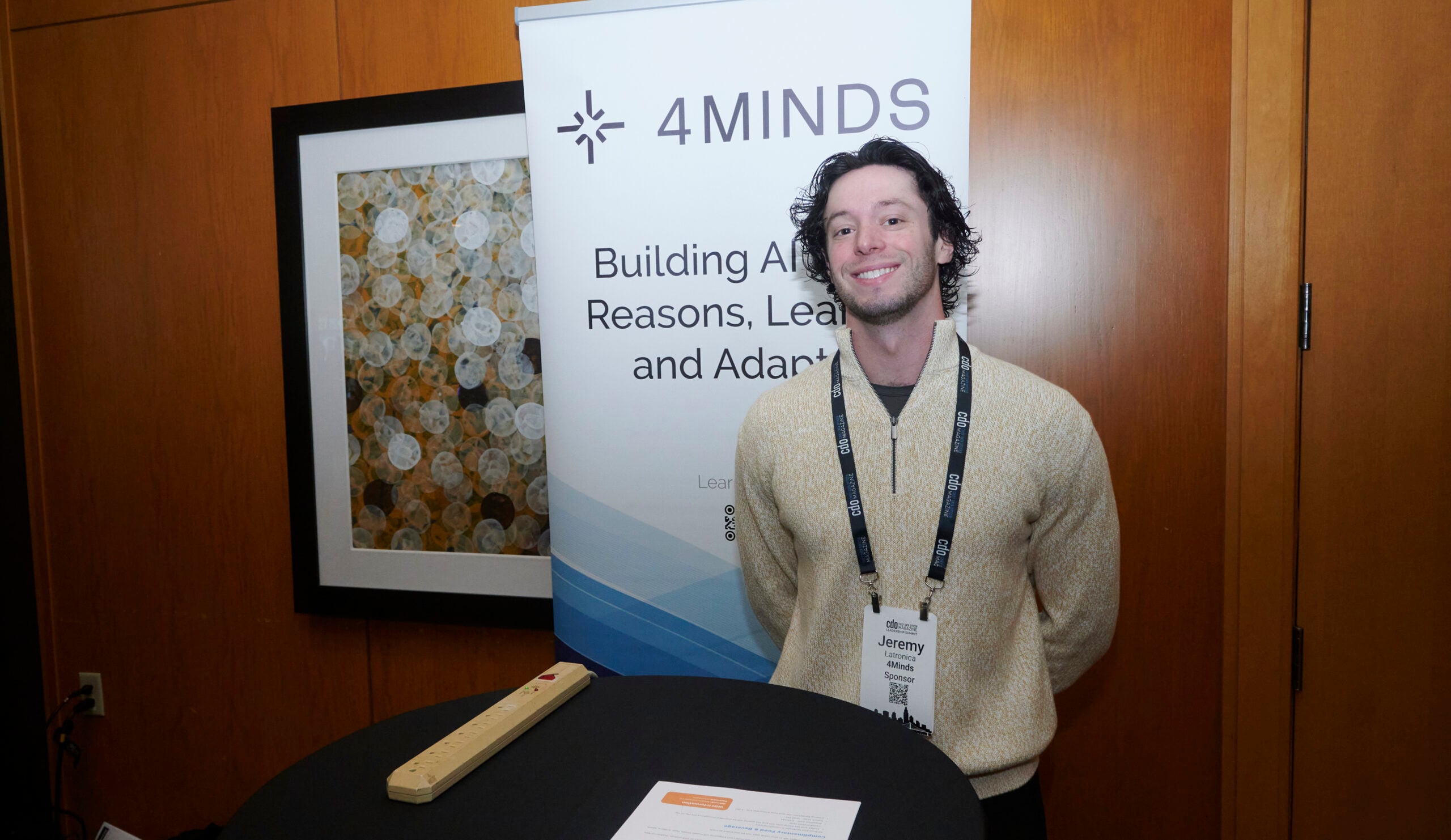
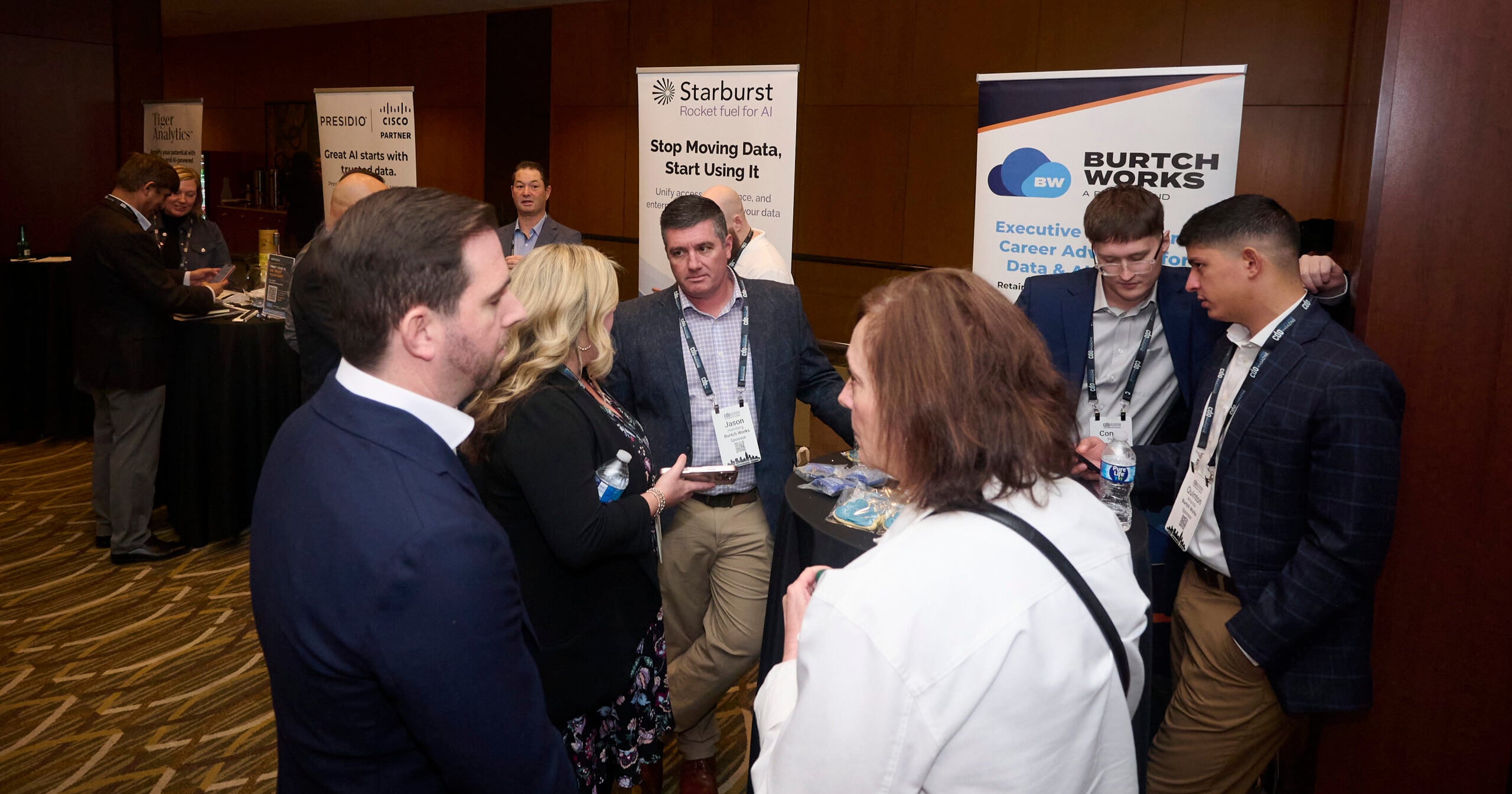
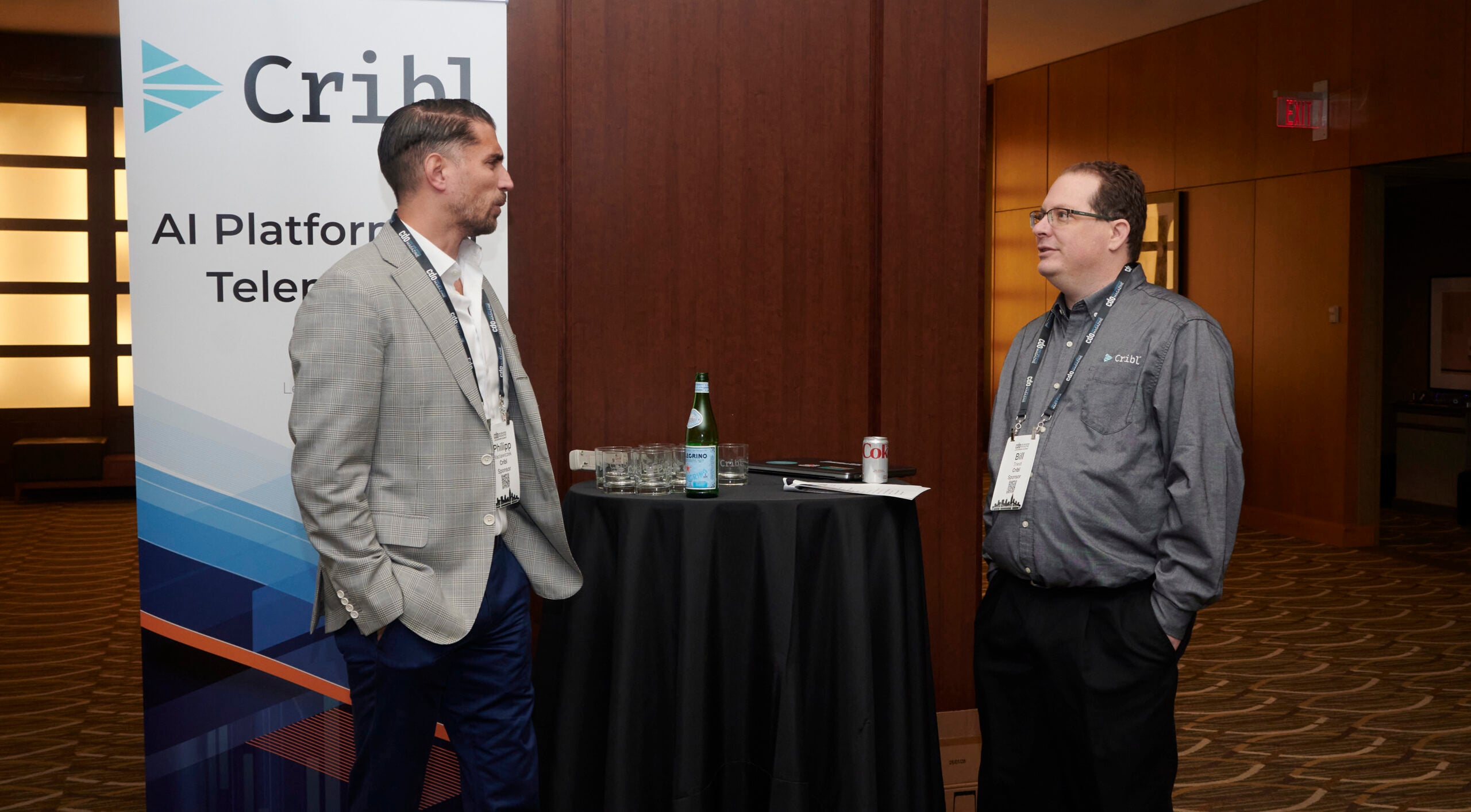
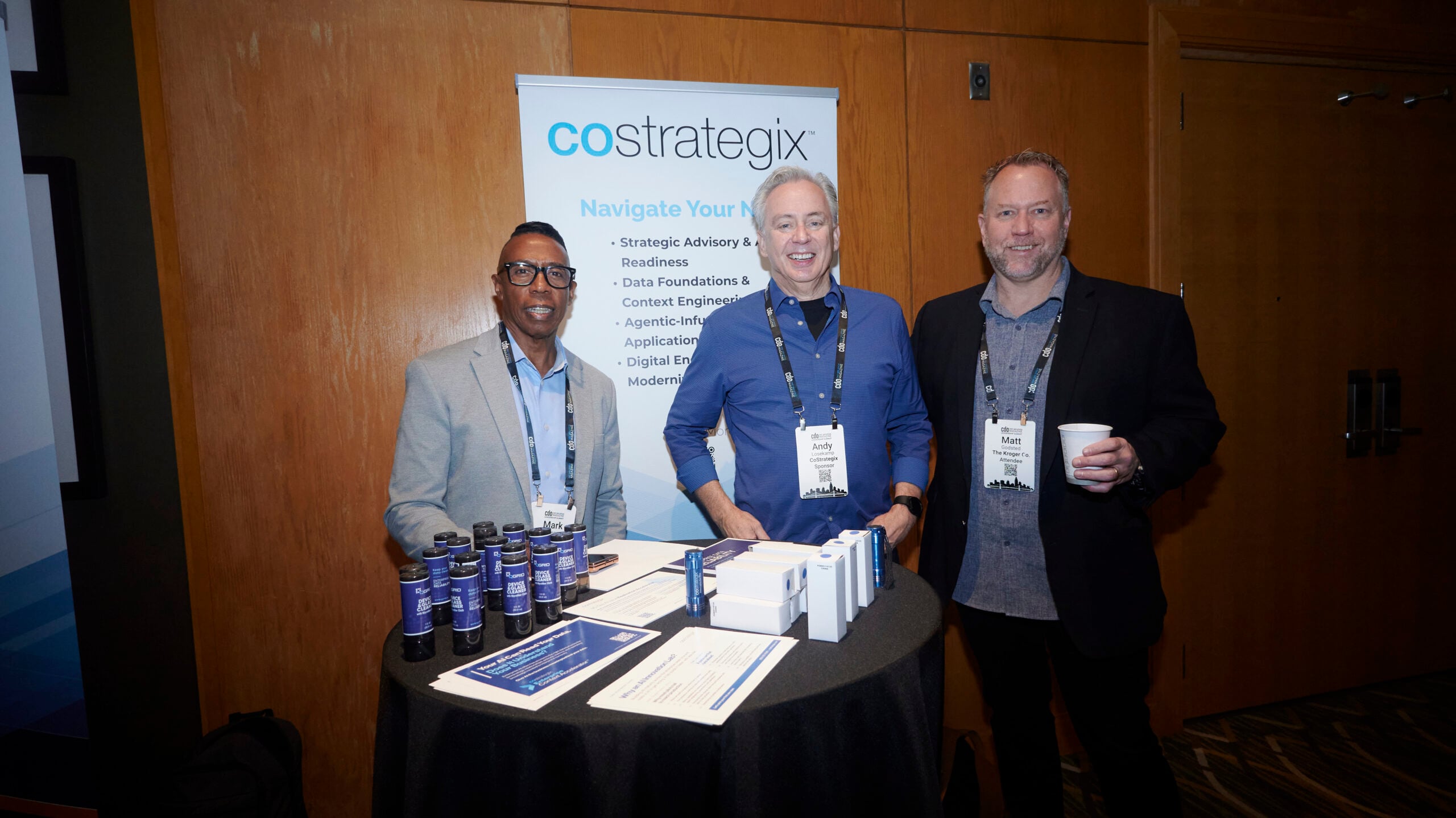
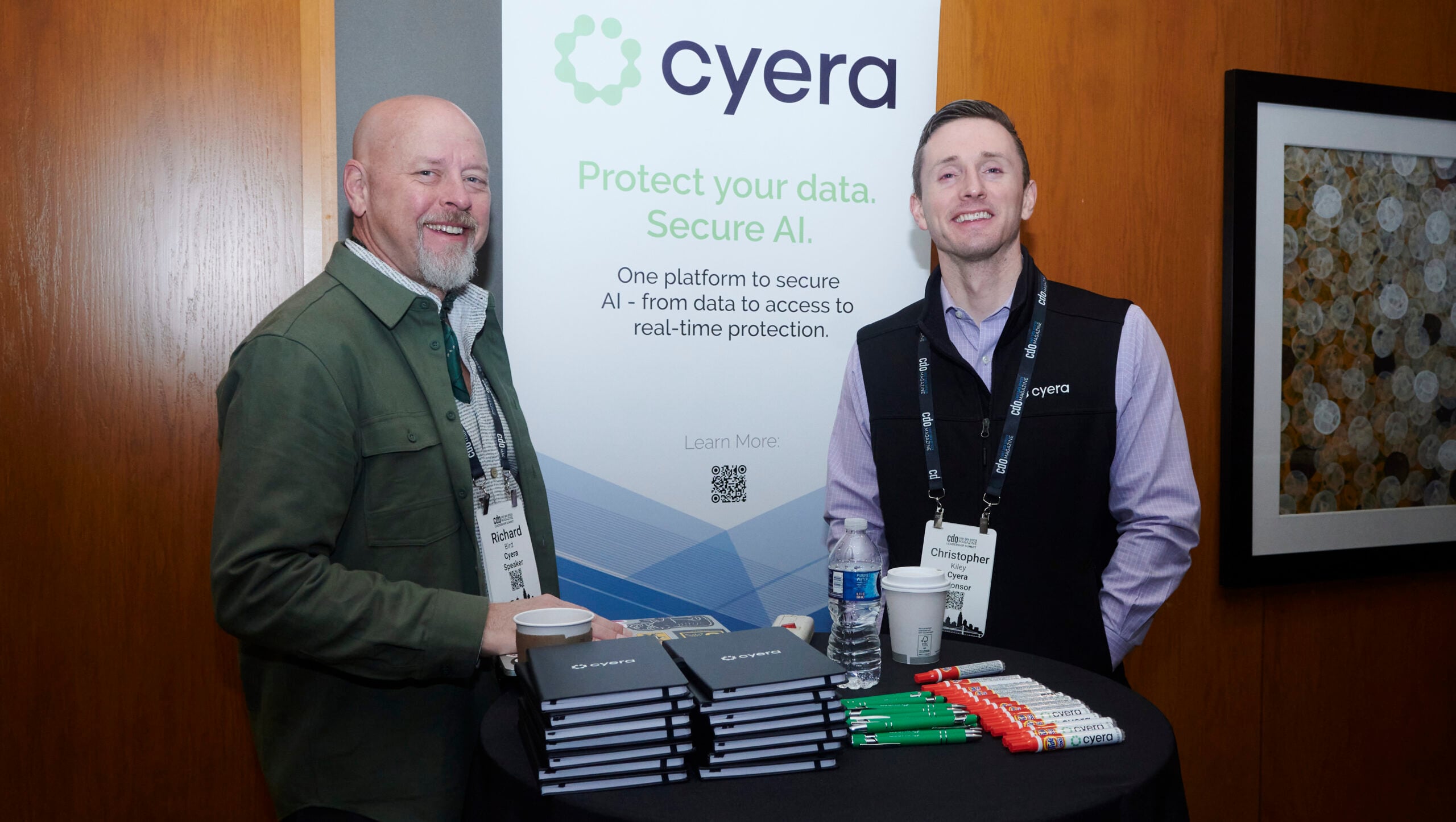
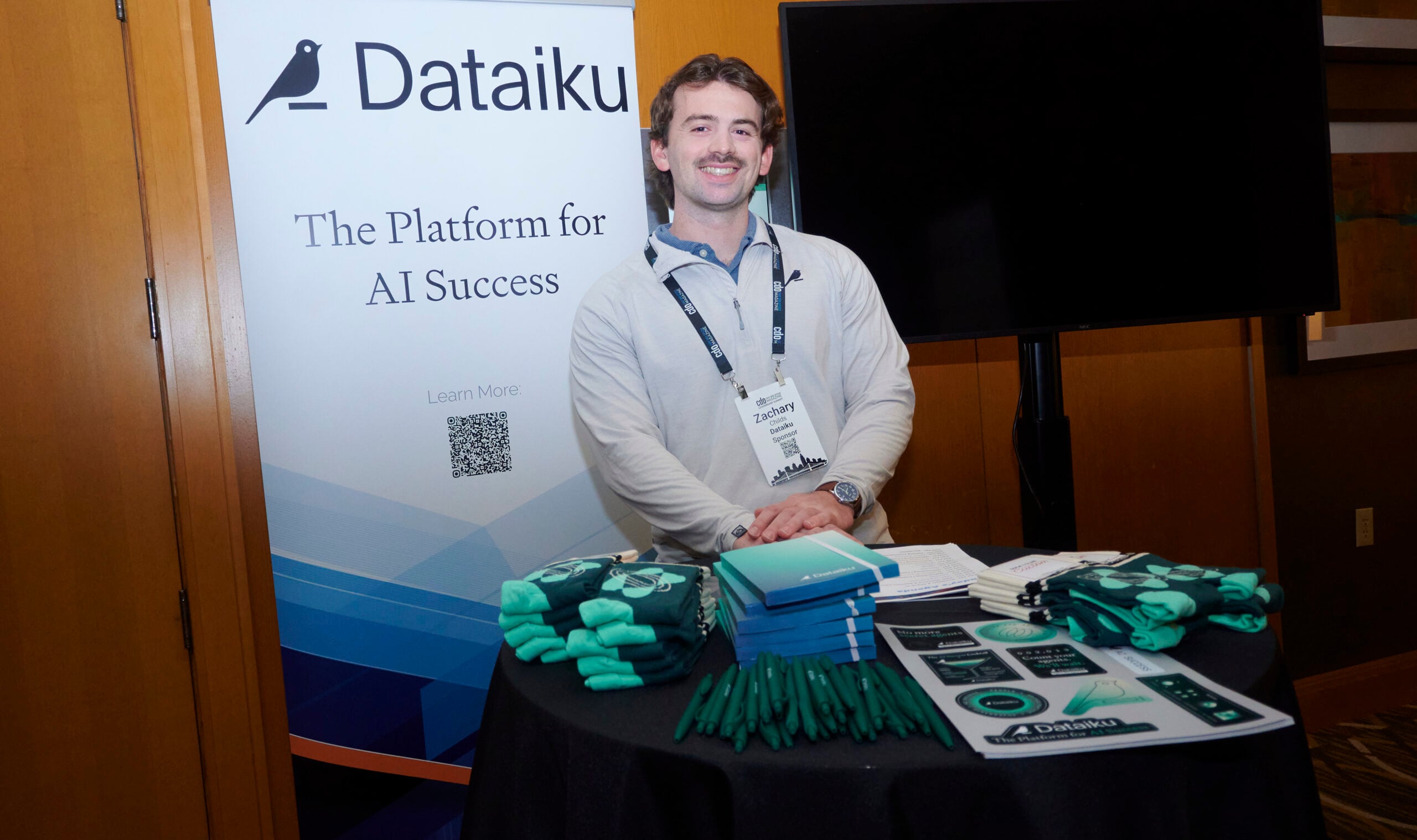
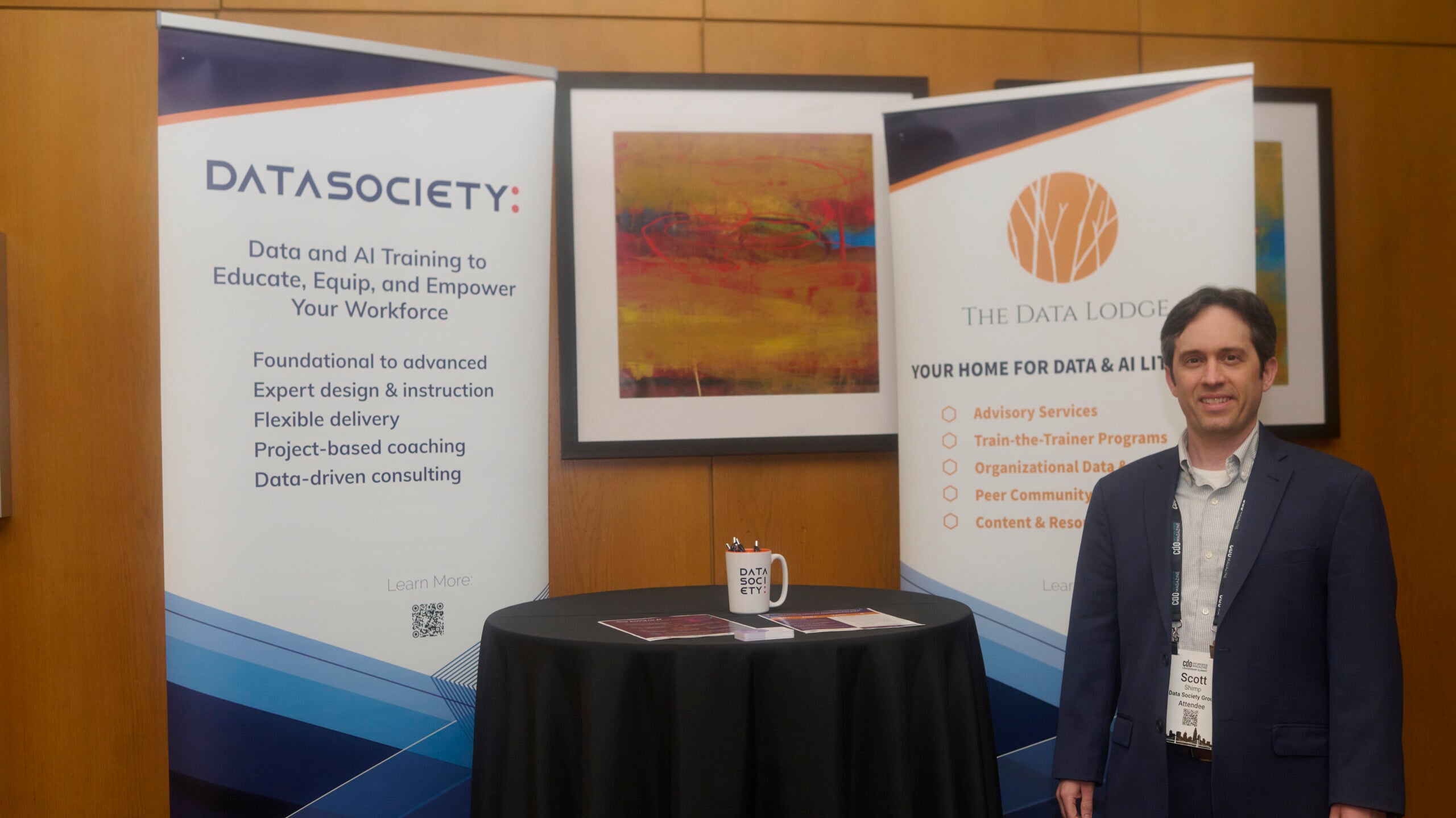
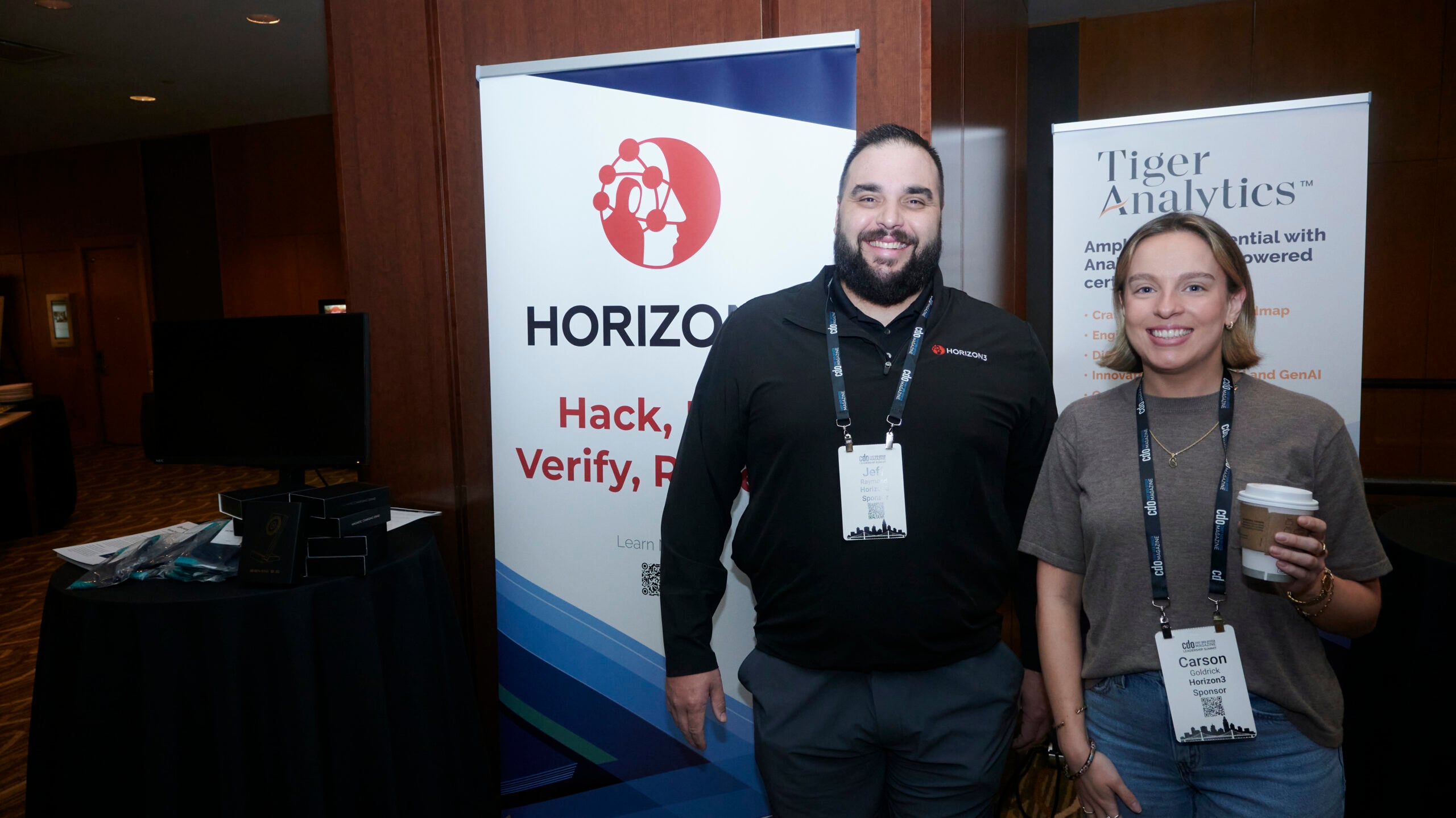
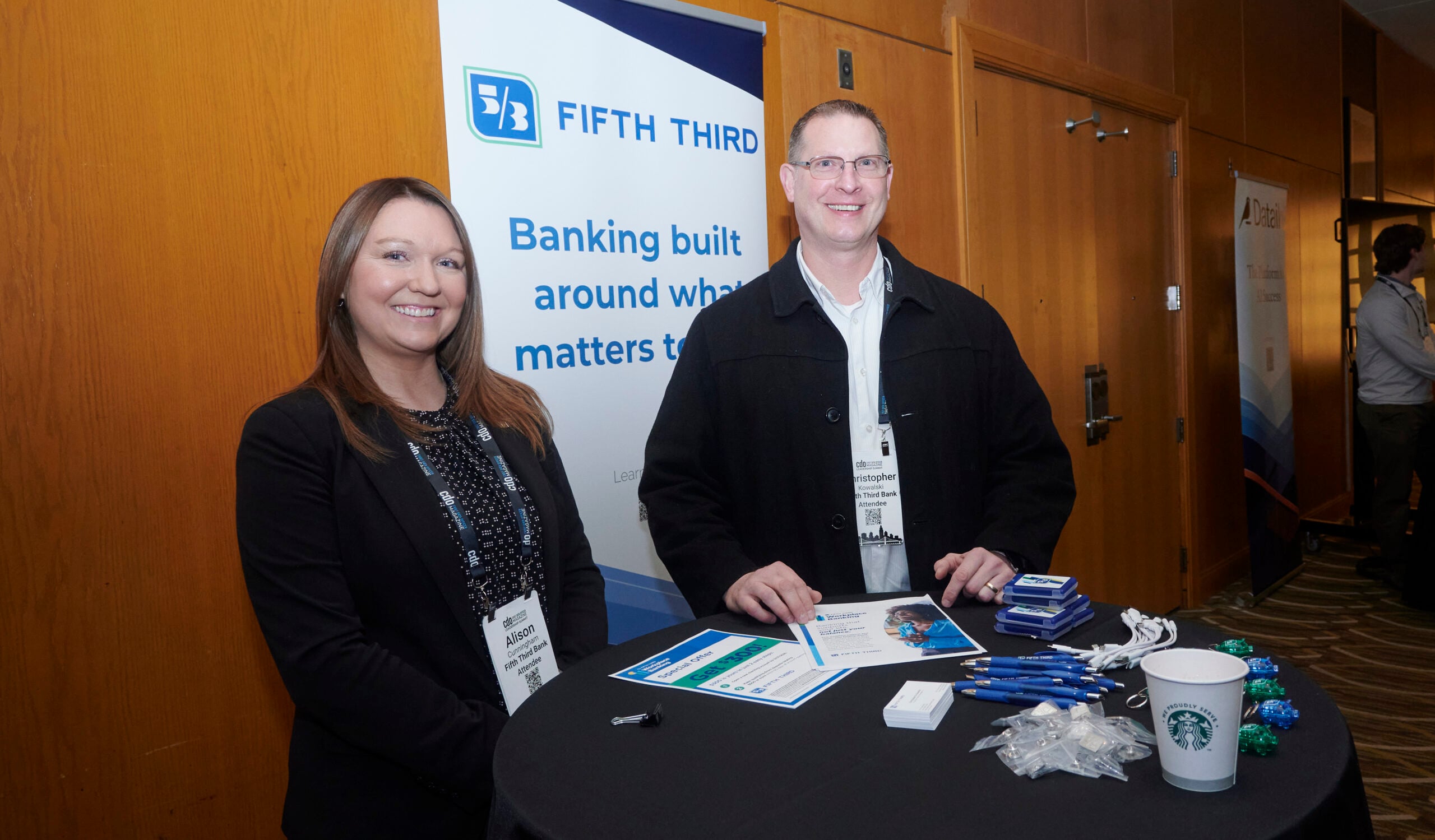
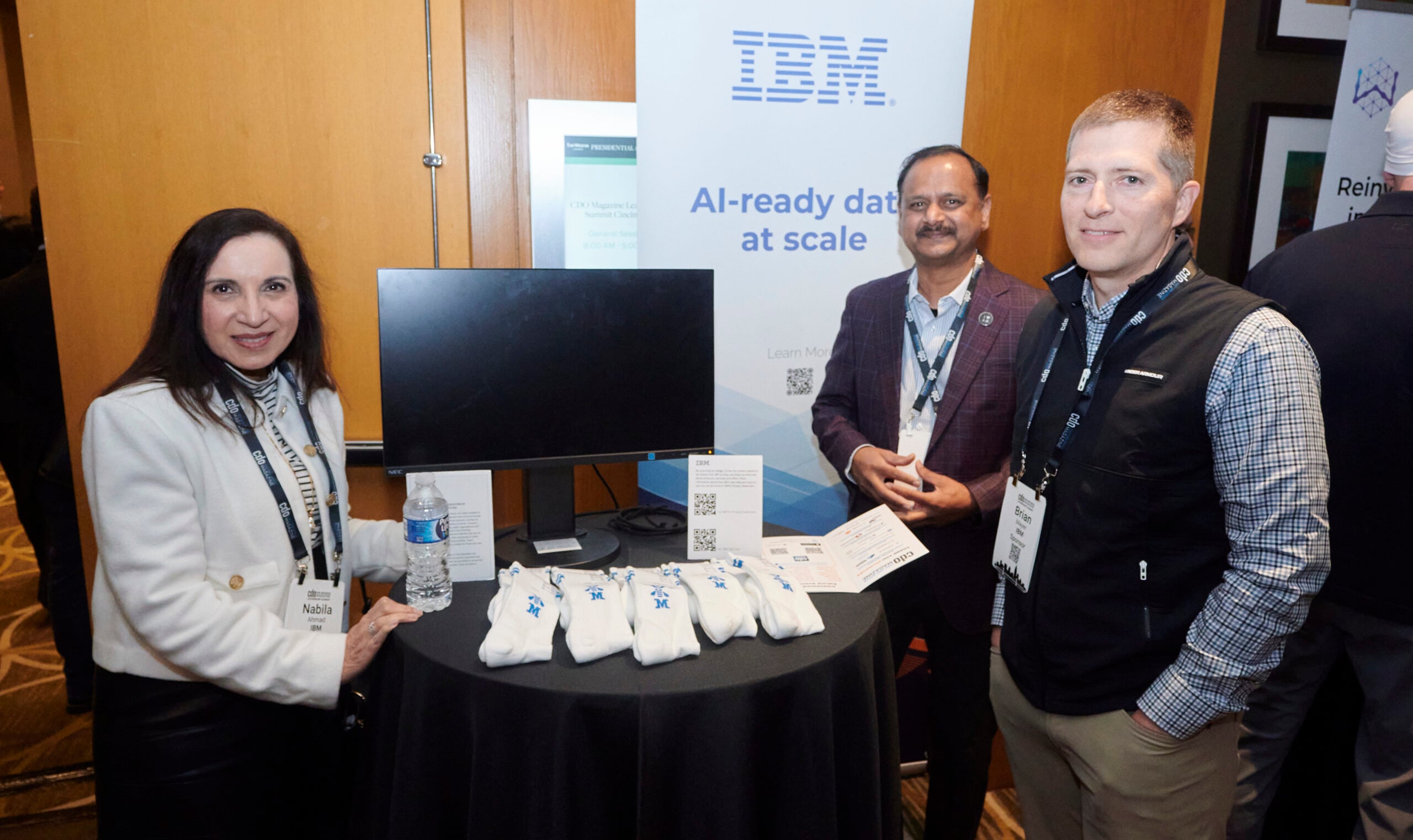
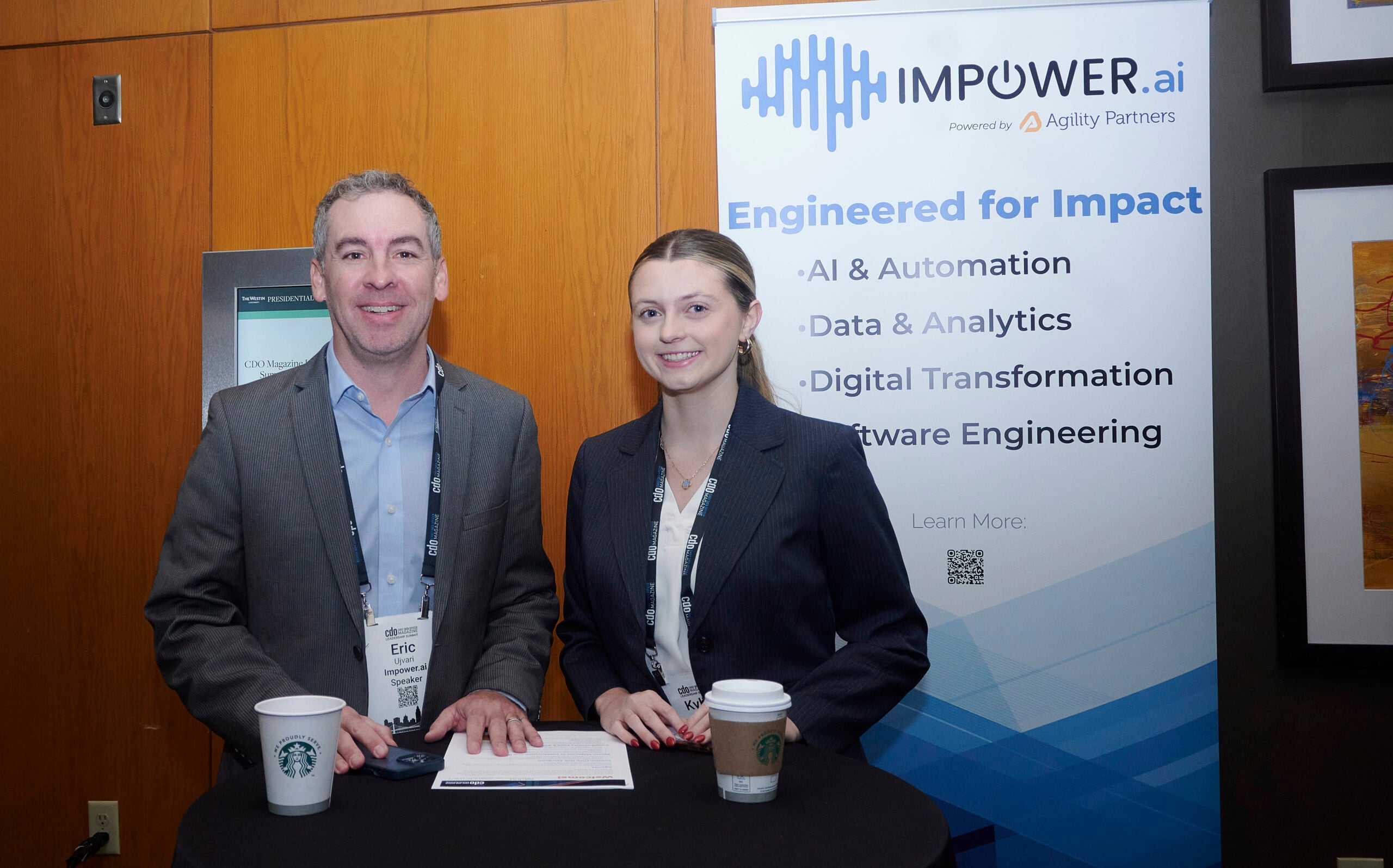
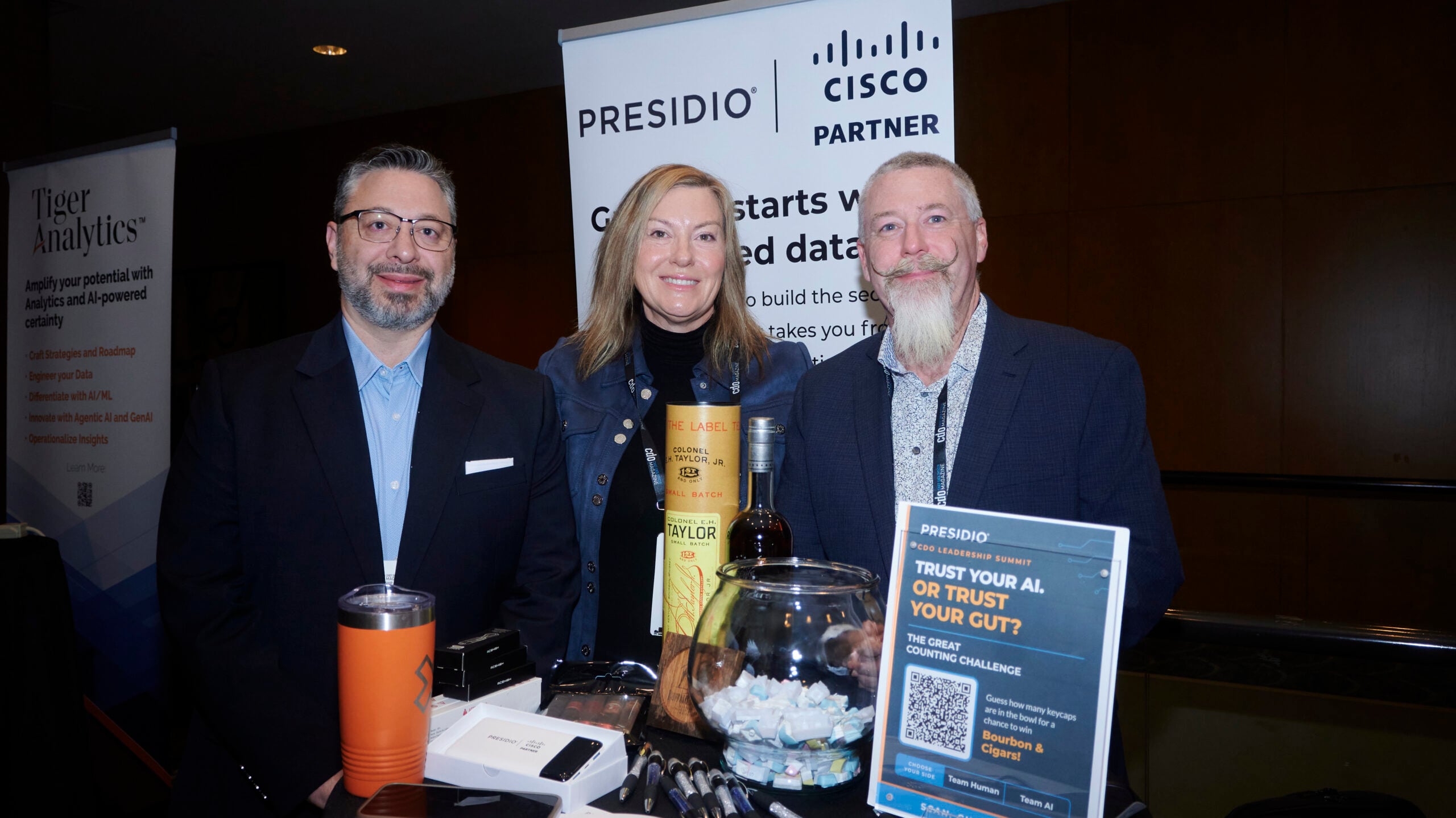
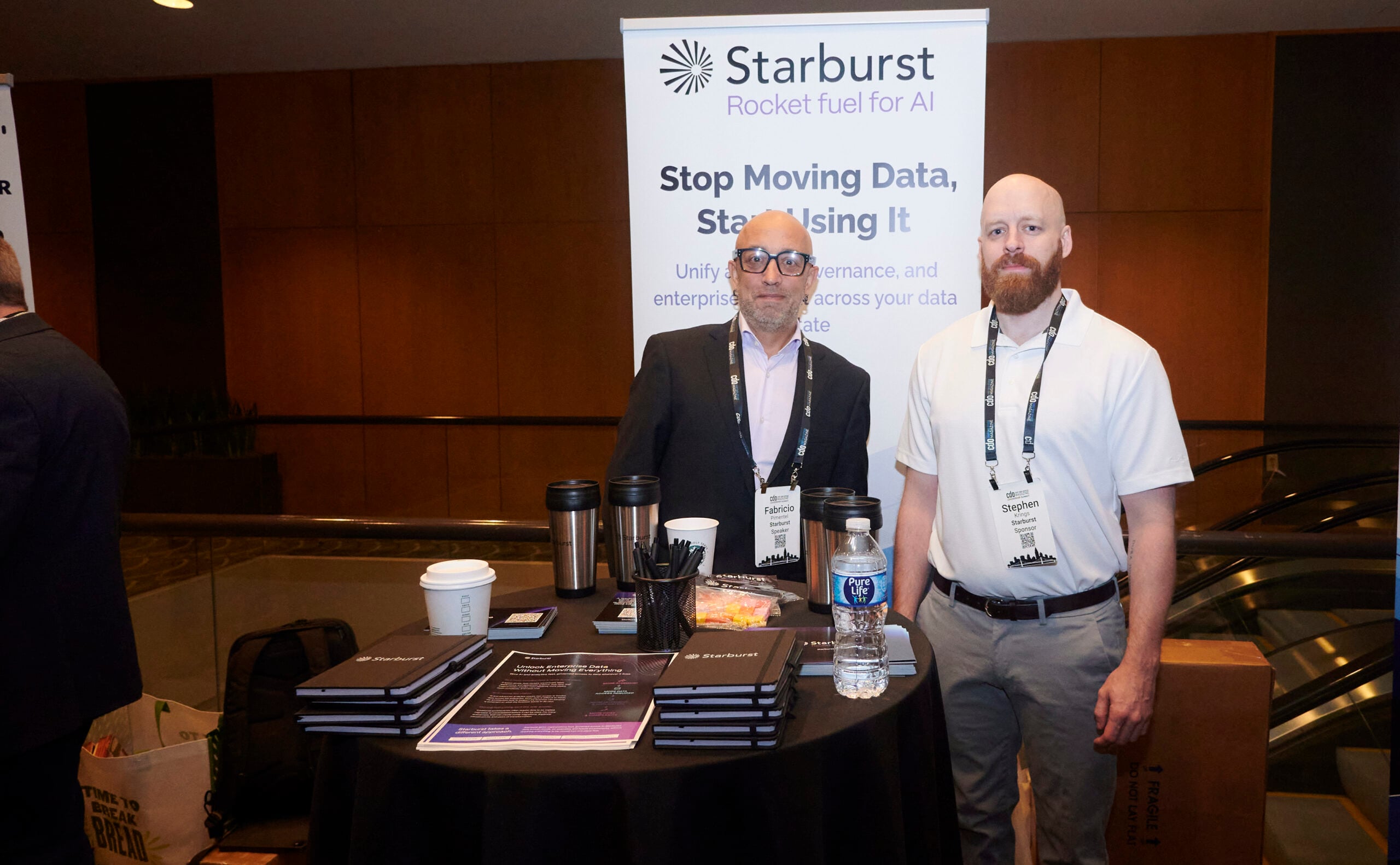
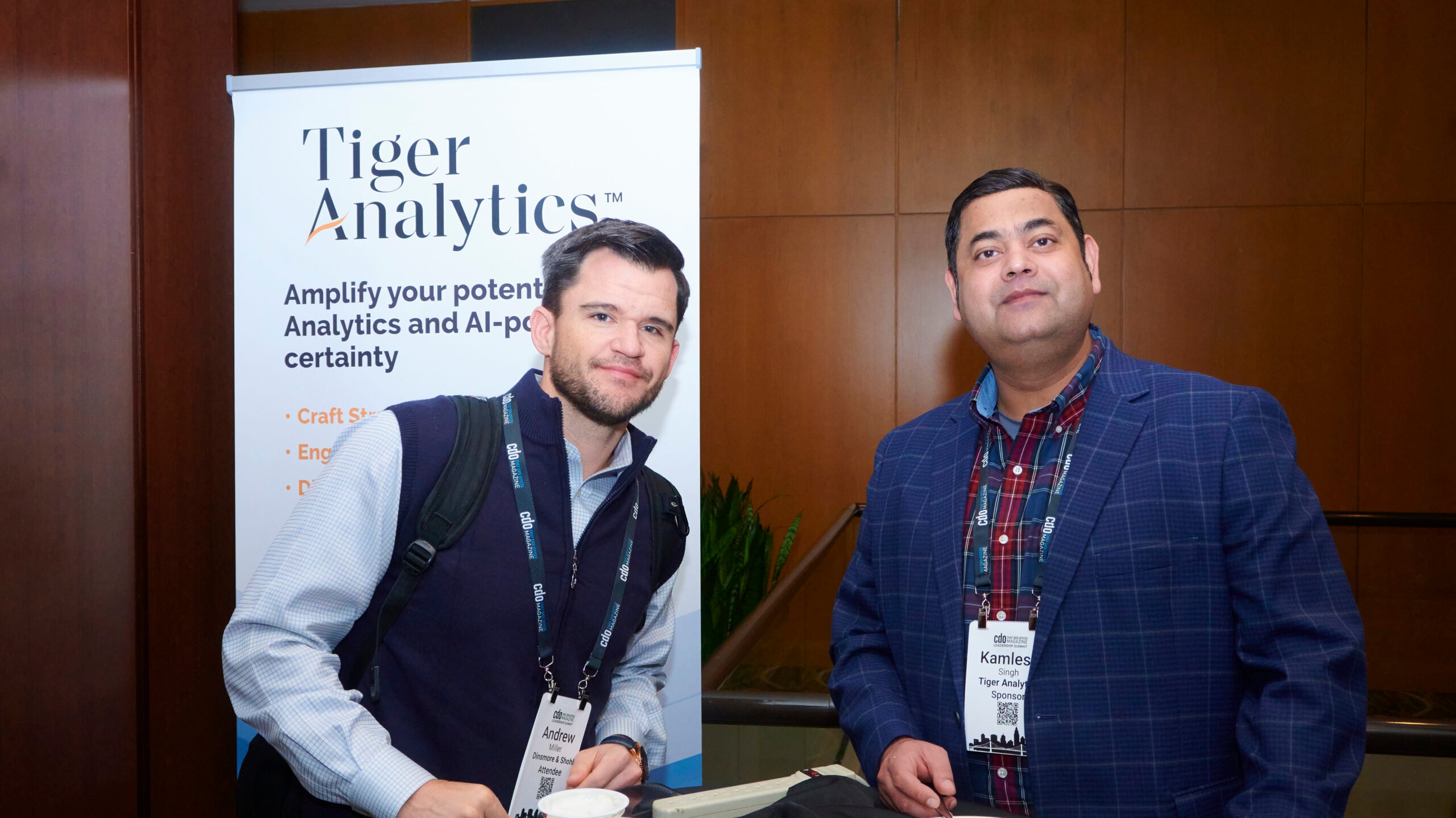
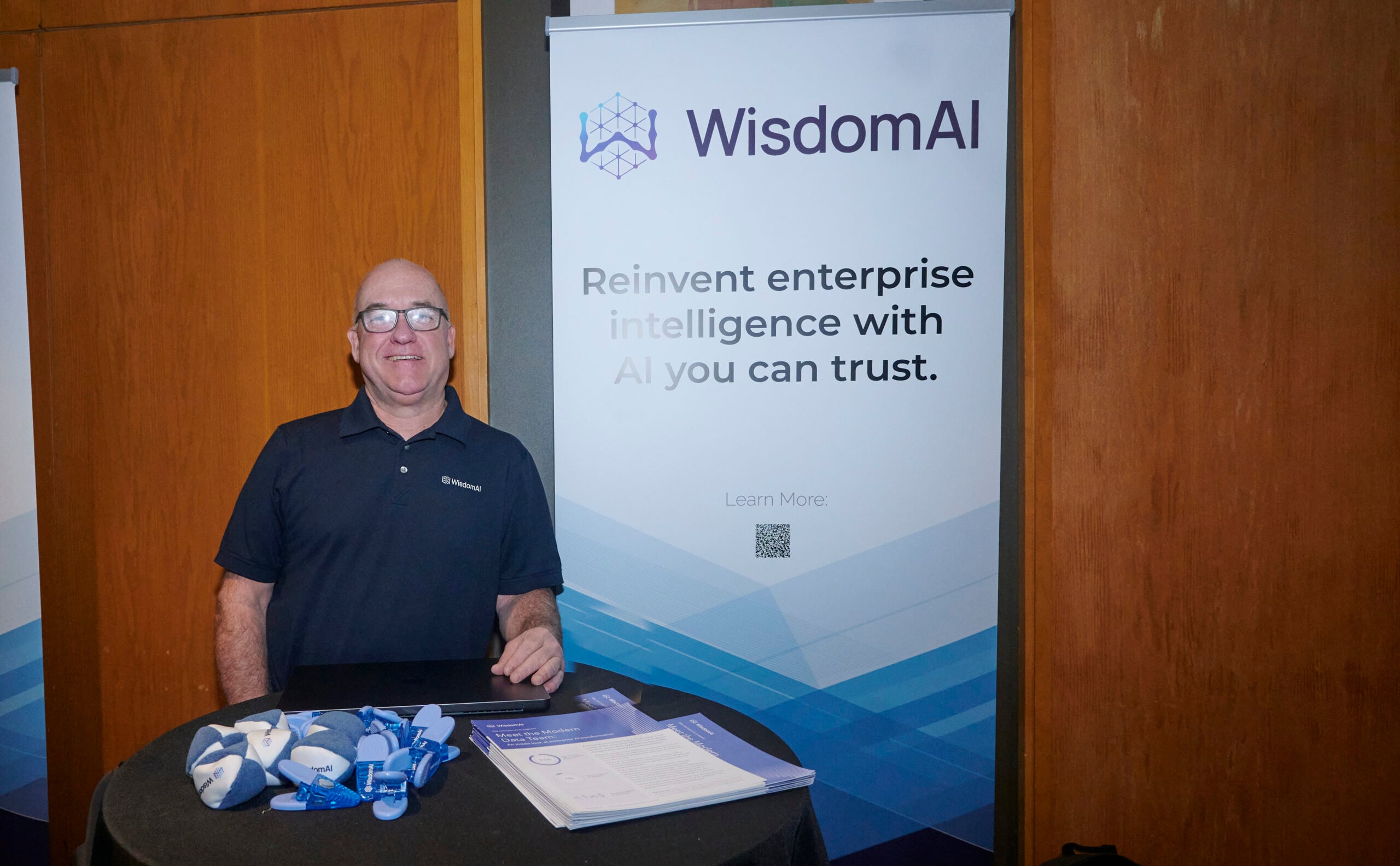
Sponsors and partners helped make CDO Magazine’s Cincinnati Leadership Summit possible, supporting meaningful conversations and connections across the region’s data and AI leadership community.
Special thanks to 4MINDS, Agility Partners, Burtch Works, Buckeye DAMA, CoStrategix, Cribl, Cyera, Dataiku, Data Society, The Data Lodge, Fifth Third Bank, Horizon3, IBM, NOMA, Presidio, Starburst, Tiger Analytics, and WisdomAI for helping make the Cincinnati Leadership Summit a success.
Be Part of Cincinnati’s Data & AI Leadership Community
Interested in participating in a future CDO Magazine Cincinnati Leadership Summit? We’re always looking to connect with Chief Data Officers, data and AI executives, and industry leaders who want to share their perspectives, contribute to meaningful discussions, and engage with peers across the region.
Whether you’re interested in speaking, joining a panel, helping shape future discussions, or becoming more involved in the community, we’d love to hear from you.


 Elevate Your Personal Brand