
What Is a Chief Data Officer in 2026? Many people working within the data industry are saying the same thing: the role of the Chief Data Officer (CDO) has changed – but how? CDO Magazine began an expert survey to find out. We recent...
Generative + Agentic AI: Moving From Experimentation to Enterprise Scale Generative and agentic AI are making their way into enterprise production, bringing new questions for Chief Data Officers (CDOs) and other data and AI leaders responsible for making these technologies...
Leadership Summit – Boston – Westin Boston Seaport District – December 10, 2026 Join top AI and Data leaders in Boston to explore the strategies, governance, and innovations driving enterprise performance. Connect, learn, and gain actionable insights — reserve your seat today.
Community
AI Has the Data. Does It Understand the Business? Columbus Executives Examine the Context Challenge
At CDO Magazine’s Columbus Executive Boardroom Dinner, leaders from banking, healthcare, retail, technology, and other industries explored why business knowledge, governance, and data literacy are becoming essential to enterprise AI success.

Written by: Camille Prado, Global Editor, CDO Magazine
Updated 7:59 AM EST, November 20, 2026
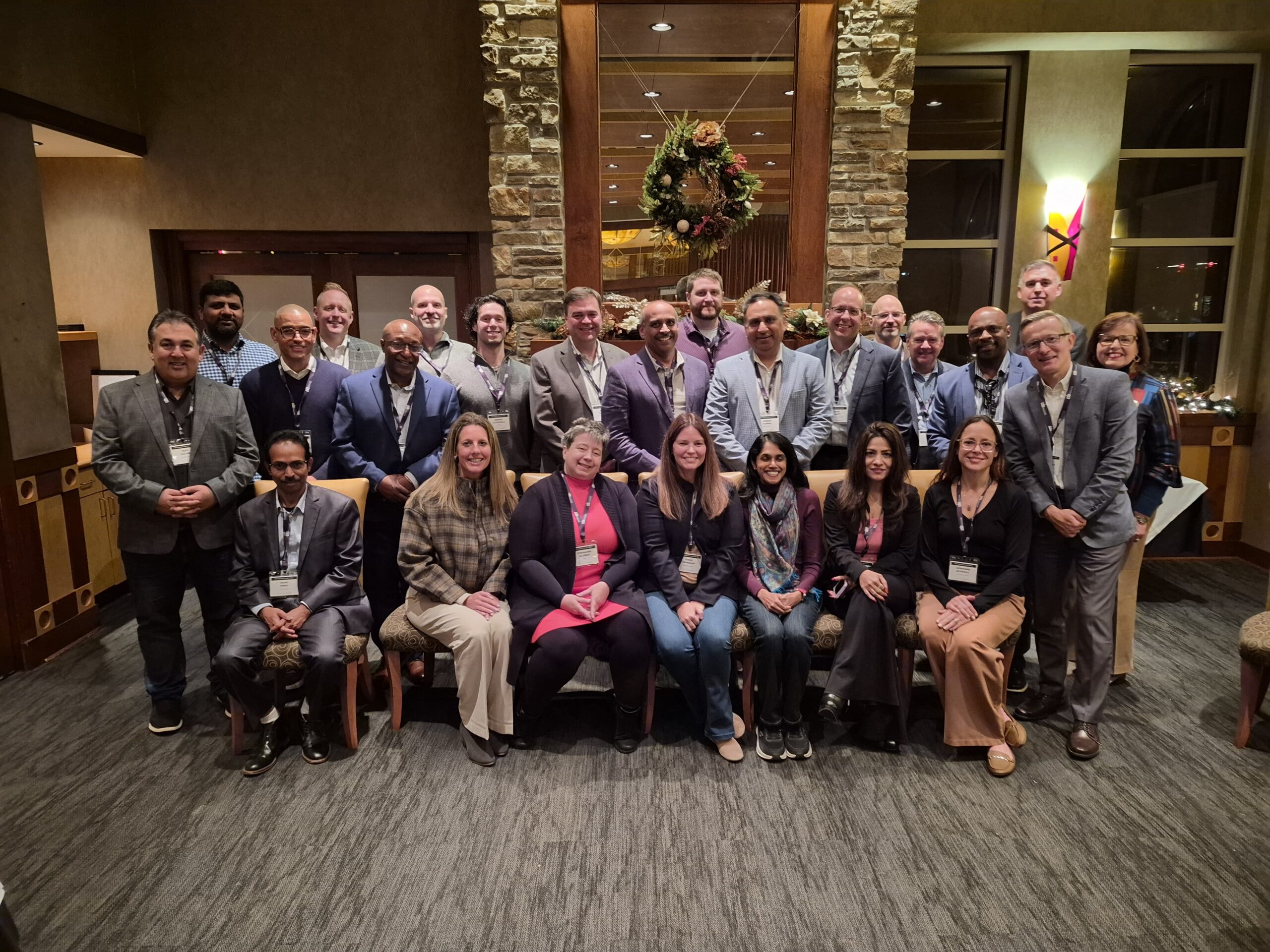
Data, AI, and technology executives gather for CDO Magazine’s Columbus Executive Boardroom Dinner on November 17.
Artificial intelligence can process enormous volumes of information. But can it understand why a particular business decision matters, recognize an exception to an established process, or distinguish between data that is technically accessible and information that is actually useful?
Those questions framed the discussion at CDO Magazine’s Columbus Executive Boardroom Dinner on November 17 at Eddie Merlot’s.
The event brought together executives from to examine a challenge increasingly central to enterprise AI: giving intelligent systems the business context they need to deliver reliable, meaningful outcomes.
While the discussion explored AI’s growing capabilities, the executive pointed to something more fundamental. Organizations cannot expect AI to understand their operations simply because they have made their data available.
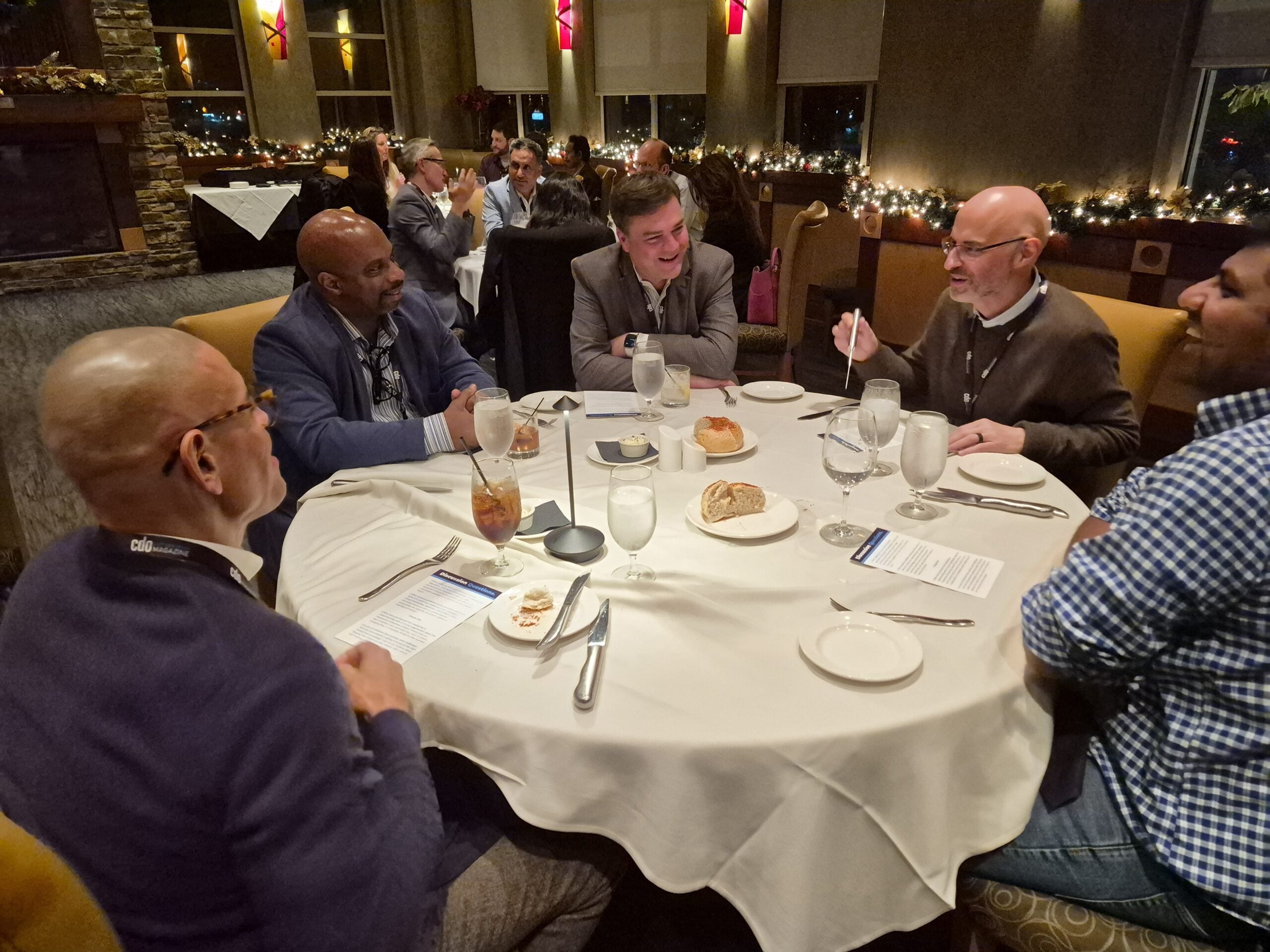
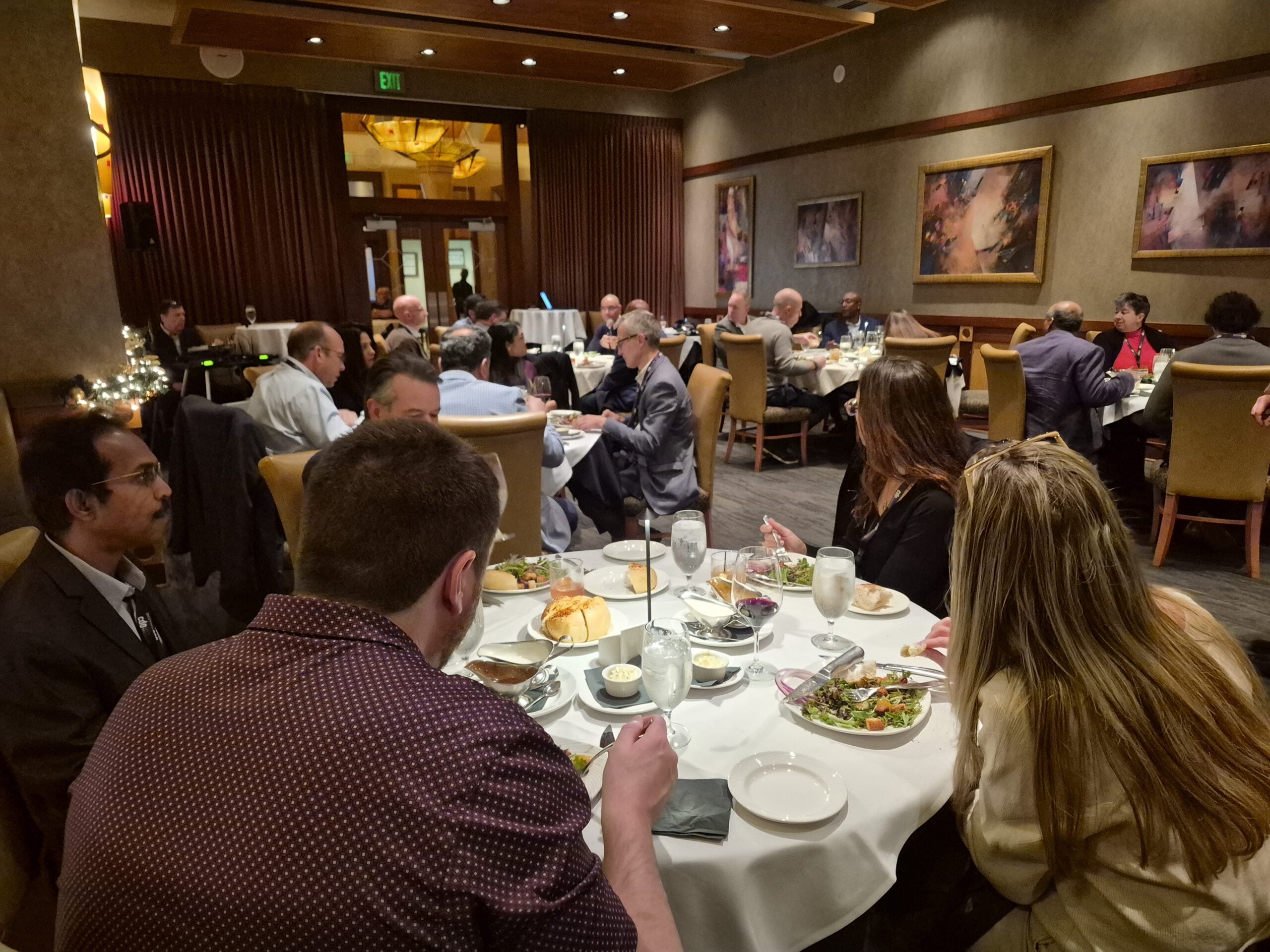

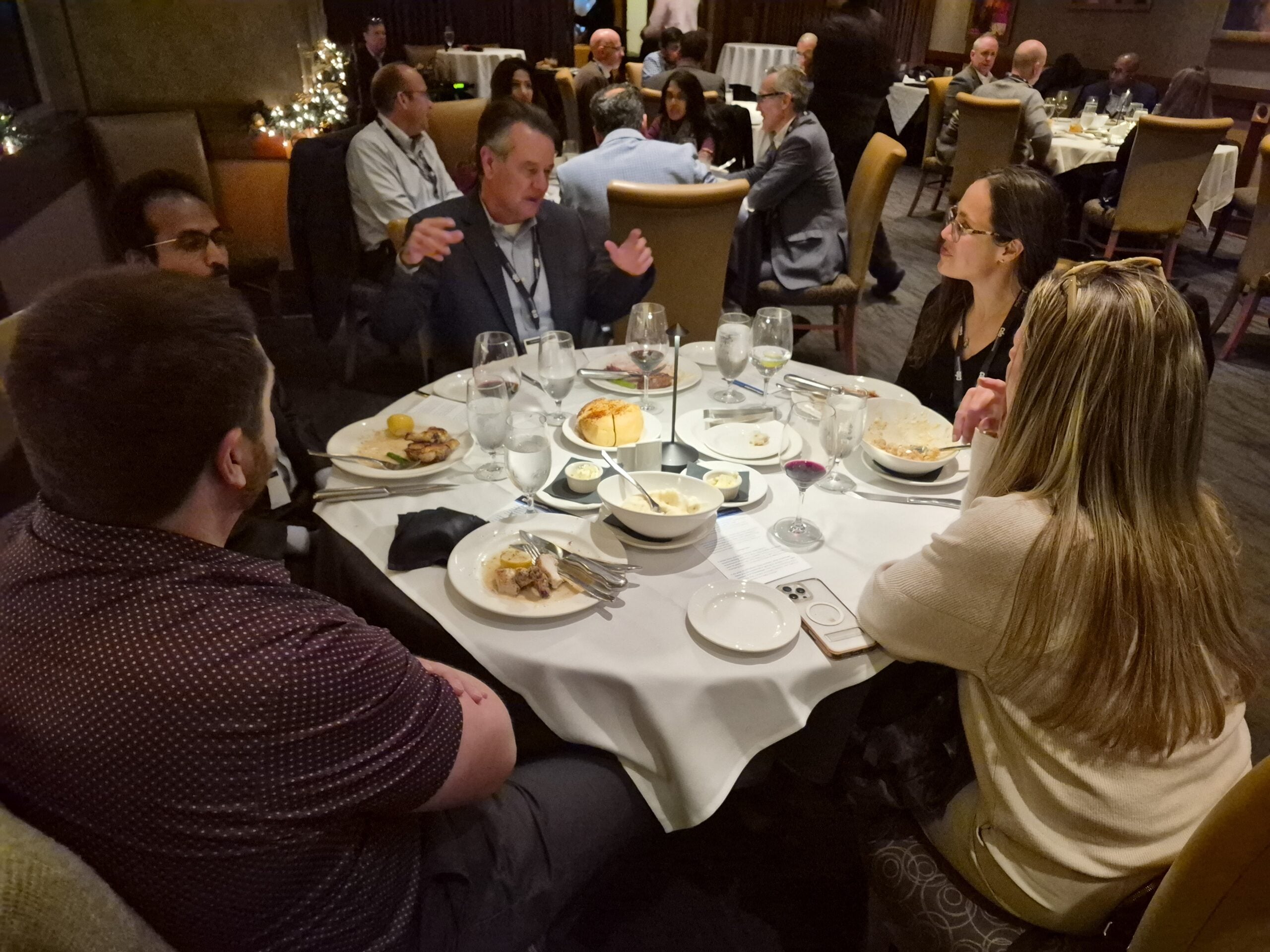
Executive participants share experiences and perspectives during the Columbus roundtable discussion, which explored the role of business context, trusted data, and governance in enterprise AI adoption.
Why Business Context Is Becoming AI’s Differentiator
For Jenni Wheeler, Cardinal Health Vice President, Data Office, the discussion reinforced that the competitive advantage in enterprise AI increasingly depends on how effectively organizations connect data with business knowledge.
Wheeler explained:
“A common thread from the CDO Magazine Boardroom Dinner was that AI’s true differentiator isn’t raw compute or the latest models—it’s context. Scaling enterprise AI requires grounding intelligent agents and analytics in rich business domain knowledge and disciplined governance to ensure insights translate into real operational value. Bringing the business context alongside the data will yield the best results.”
Her observation speaks directly to one of the event’s central discussion questions: What types of organizational knowledge are most important when applying AI to internal business operations?
The distinction matters because an AI system may have access to enterprise information without understanding the relationships, rules, exceptions, and business priorities that determine how that information should be used.
The executives also considered what happens as organizations move beyond familiar productivity applications, such as document creation and meeting summaries, toward AI systems expected to support more complex business operations.
That shift raises a more demanding question: How can organizations ensure that the context available to AI remains accurate and relevant as their businesses evolve?
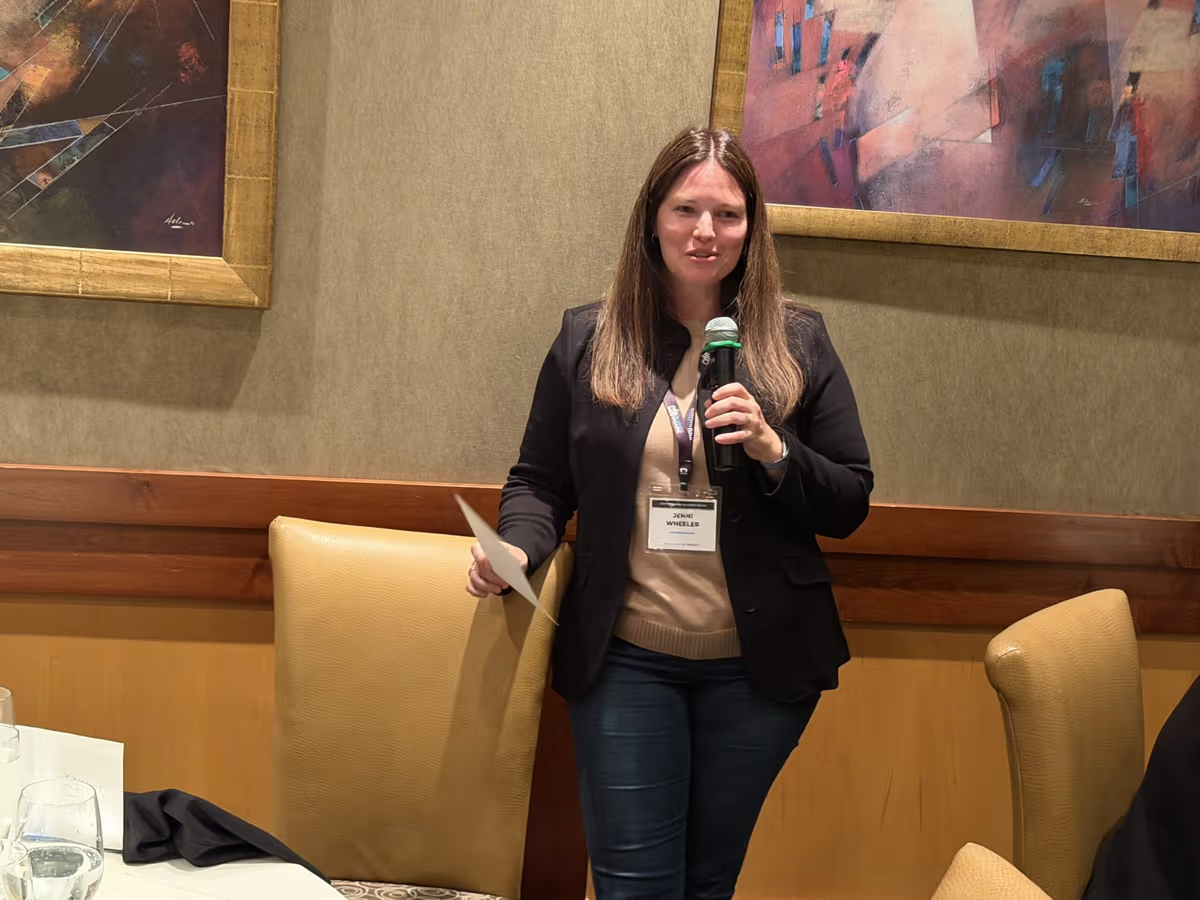
Jenni Wheeler, Cardinal Health Vice President, Data Office, contributes to the discussion on business context and enterprise AI.
When Access to Data Doesn’t Mean Understanding
The conversation extended beyond the information AI systems require to the people responsible for interpreting and acting on their outputs.
Tina Sebert, Bread Financial Sr. Director, Analytical and Automation Solutions, Retail, connected the discussion to the changing expectations placed on data leaders and employees.
Sebert shared:
“AI continues to take twists and turns, and as data leaders we quickly need to adapt to a workforce empowered by AI capabilities. We must evolve how we think about data, decision making, and governance. The discussion brought forward some great perspectives on the opportunities to leverage AI in data management and governance, while also reinforcing that as we democratize data across the enterprise, access does not equal understanding, making data literacy more important than ever.”
Her perspective adds an important human dimension to the challenge.
Making information available across an organization is not the same as ensuring employees understand what it means, where it comes from, or how it should influence decisions.
As AI makes enterprise information more accessible, data literacy becomes increasingly important to responsible adoption.
The relationship between data access, interpretation, and accountability also connects to broader questions of AI governance: how organizations establish the policies, responsibilities, and oversight needed to use AI effectively.
For Payal Thakur, The Supreme Court of Ohio Chief Information Officer, these responsibilities are becoming increasingly interconnected.
Thakur observed:
“Great conversations at the CDO Magazine dinner! These conversations are vital. At this pivotal moment, Data, AI, IT, and Cybersecurity are converging to redefine how we lead, innovate, build trust, and create lasting impact through responsible adoption across our organizations.”
Together, these perspectives highlight why enterprise AI readiness cannot be addressed through technology decisions alone. It requires organizations to consider how information is governed, how employees understand it, and who remains accountable for the decisions it informs.
Moving Beyond AI Experiments to Real Operational Value
Another focus of the roundtable was identifying business problems AI could solve if it had a deeper understanding of an organization’s unique processes, knowledge, and operating environment.
Rather than concentrating exclusively on productivity improvements, the discussion questions encouraged executives to consider outcomes with greater operational significance.
Justin Windle, First Citizens Bank SVP, Sr. Director & Head, Data Oversight, emphasized the value of examining these challenges through real-world experiences.
Windle reflected:
“It’s always valuable to spend time with fellow leaders in the CDO Magazine community. One of the many benefits of dinners like this is the ability to really dig into real world scenarios and talk more candidly about the work that’s actually being done. We had a great conversation on where we actually see value from AI in the real world, and how we quickly bring the data ecosystem up to par to support it.”
His comments underscore an important distinction between demonstrating that AI can perform a task and establishing the data ecosystem necessary for AI to create sustained business value.
For executives responsible for enterprise data strategies, the challenge is not simply identifying promising applications. It is ensuring that the information, governance, and organizational knowledge supporting those applications can keep pace with changing business requirements.
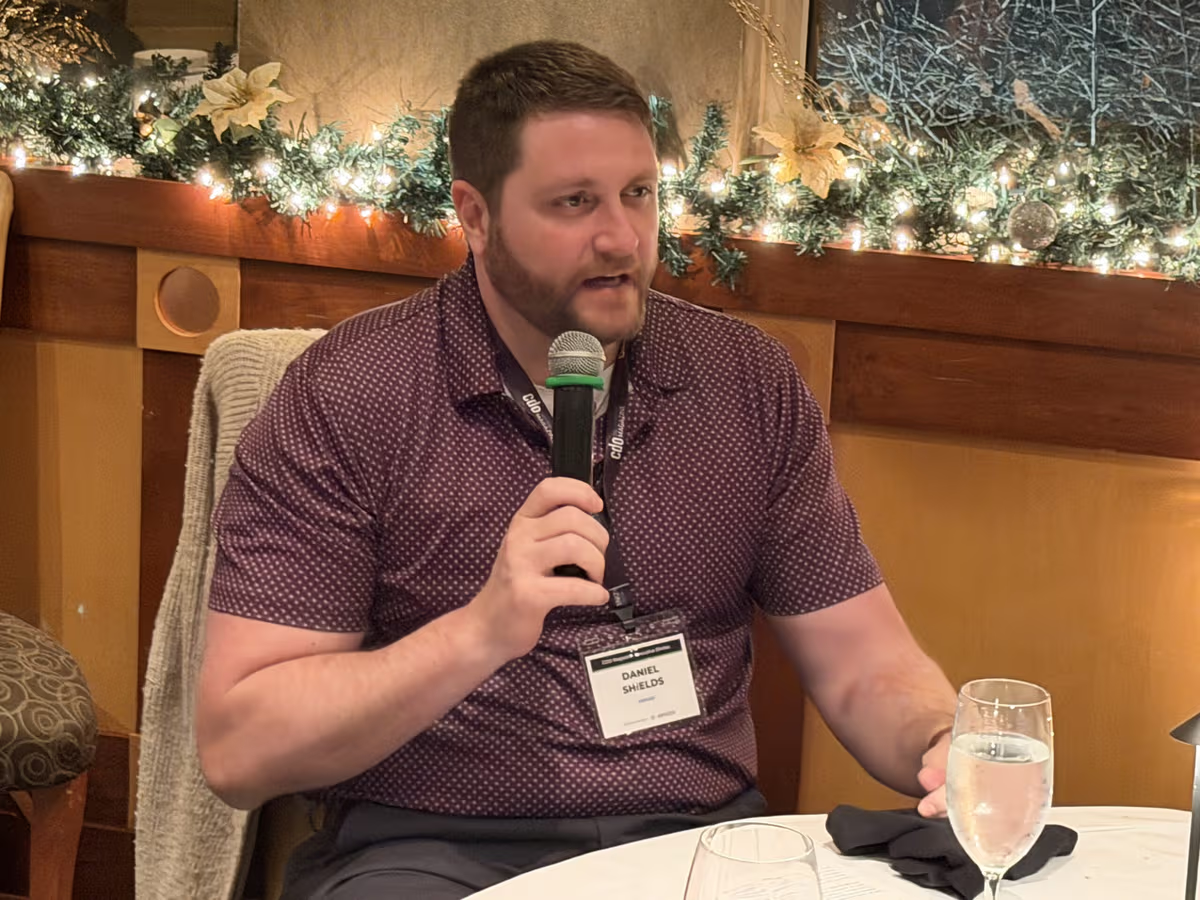
Daniel Shields, Abbott Director, Data & Analytics, participates in the Columbus roundtable discussion.
The Value of Comparing Challenges Across Industries
Although the executives work in different industries, their feedback revealed overlapping questions about how to make AI useful within complex business environments.
For Sasha Verbitsky, Simon Property Group SVP, Data, Analytics, Digital the diversity of perspectives was a defining strength of the event.
Verbitsky shared:
“It was great to be a part of CDO Magazine’s Columbus Executive Dinner. I love the fact that it’s a closely-knit community with attendees comfortable sharing their real world challenges and experiences and offering ideas and potential solutions to each other. We had great variety of industries represented at our table, with everyone in a very relevant executive role – which made it a great and valuable discussion.”
The opportunity to compare experiences across industries provided a broader perspective on challenges that can otherwise appear unique to individual organizations.
That cross-industry connection was also reflected in comments from David Jackson, 4Minds Enterprise Sales Executive.
Jackson observed:
“The conversation kept coming back to the same thing: AI isn’t short on data; it’s short on context. You can’t just paste your organization’s data into a model and expect it to understand your business — your processes, your exceptions, your history.
What I took away is that these leaders aren’t debating whether AI works — they’re wrestling with how to give it the context to work inside their business, and how to keep that context accurate as things change. What made the event so valuable was hearing that same challenge described so differently across industries, and realizing the data readiness work ahead of us is more alike than it looks.”
Jackson’s observation brings the discussion back to its central challenge.
Enterprise AI must operate within organizations shaped by years of business decisions, established processes, exceptions, and evolving priorities. Providing access to data is only part of making those systems effective.
The Columbus conversation illustrated why connecting that data to business context is becoming a critical leadership responsibility.
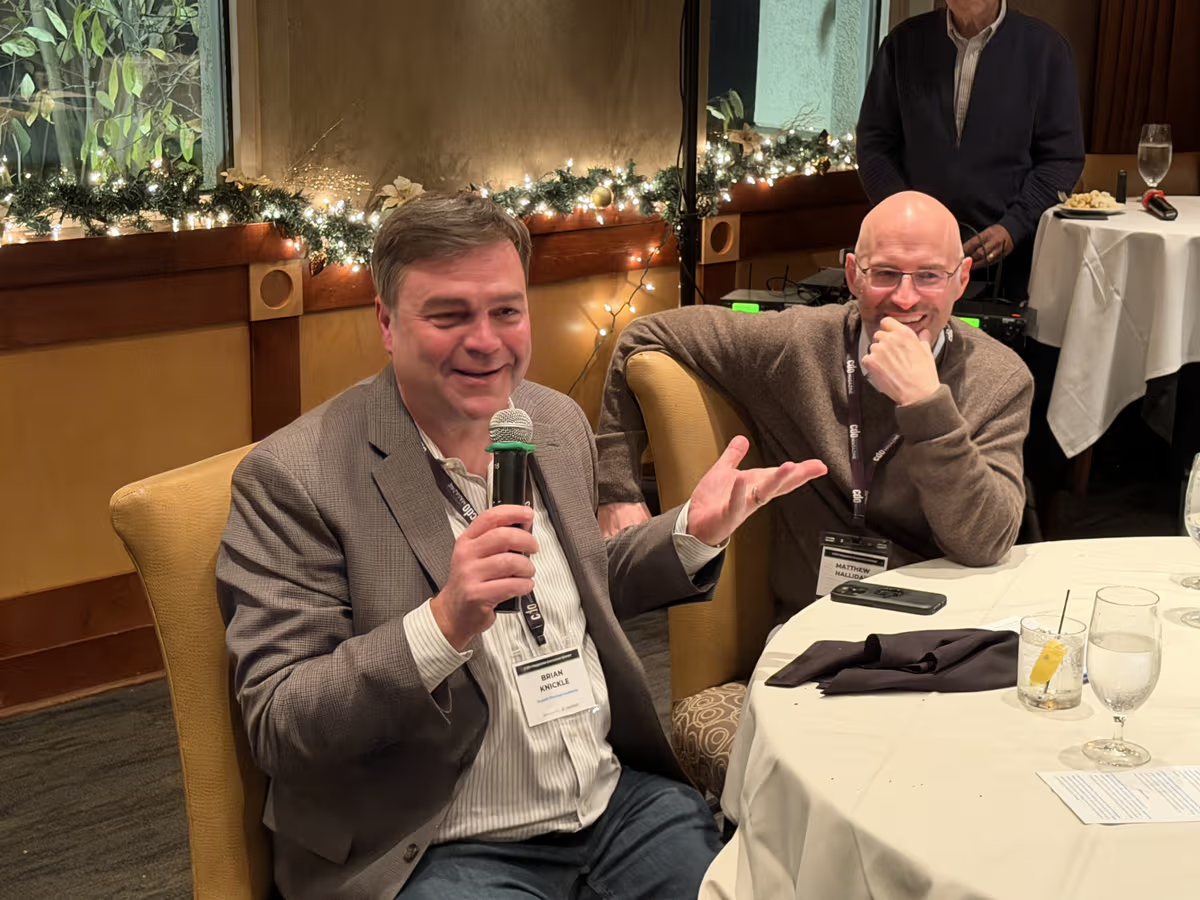
Brian Knickle, Duluth Trading Company Sr. Director, E-commerce, Architecture & Data Platforms, speaks during the discussion alongside Matthew Halliday, 4Minds Chief Product Officer.
Data, AI and Technology Leaders Who Joined the Columbus Conversation:
- Jasmine De Gaia*, Scotiabank Chief AI Officer
- Anthony Fisic, Battelle Chief Information Security Officer
- Stephanie Globus, Vertiv Sr. Director, Sales Data & Analytics
- Jeff Jacobs, Grange Insurance Vice President & Chief Technology Officer
- Muni Jinka, VCU Health Enterprise Data Architect
- Ken Kaufman, Worthington Enterprises Sr. Director Data and AI
- Brian Knickle, Duluth Trading Company Sr. Director, E-commerce, Architecture & Data Platforms
- Dinesh Kumar, ODW Logistics Head, AI & Data Management
- Narendra Narukulla, JPMorganChase Vice President, Trust & Security
- Dean Pickett, Ohio Industrial Commission Chief Information Officer
- Ervan Rodgers, Duluth Trading Company Vice President, Information Technology
- Adrienne Schmoll, Worthington Steel Director, Enterprise Data Management
- Tina Sebert, Bread Financial Sr. Director, Data Science
- Daniel Shields, Abbott Director, Data & Analytics
- Corwin Smith, Wallick Head, Data, Analytics & AI
- Murali Sundararajan, Former Victoria’s Secret EVP & Chief Information Officer
- Payal Thakur*, Supreme Court of Ohio Chief Information Officer
- Sasha Verbitsky*, Simon Property Group SVP, Data, Analytics, Digital
- Jenni Wheeler*, Cardinal Health Vice President, Data Office
- Justin Windle, First Citizens Bank SVP, Sr. Director & Head, Data Oversight
- Matthew Halliday, 4Minds Chief Product Officer
- David Jackson, 4Minds Enterprise Sales Executive
- Jeremy Latronica, 4Minds Enterprise Account Executive
- Ed Porter, 4Minds VP of Sales
- Anthony Losanno, CDO Magazine Managing Director
- Camille Prado, CDO Magazine Global Editor
*Jasmine De Gaia, Payal Thakur, Sasha Verbitsky, and Jenni Wheeler are CDO Magazine Global Board members.
CDO Magazine thanks 4Minds for supporting the Columbus Executive Boardroom Dinner and contributing to the discussion.
CDO MAGAZINE EXECUTIVE COMMUNITY
Your Seat at the Next Columbus Executive Boardroom Dinner
The most valuable conversations about data and AI happen when leaders can speak candidly with peers who understand their challenges.
CDO Magazine brings together a select group of Columbus data, AI, and technology executives for invitation-based discussions focused on real-world challenges, shared experiences, and meaningful professional connections.
Interested in joining an upcoming discussion?
Connect with Camille Prado, CDO Magazine Global Editor, to learn about upcoming Columbus gatherings. Invitations are subject to availability.


 Elevate Your Personal Brand


