
What Is a Chief Data Officer in 2026? Many people working within the data industry are saying the same thing: the role of the Chief Data Officer (CDO) has changed – but how? CDO Magazine began an expert survey to find out. We recent...
Generative + Agentic AI: Moving From Experimentation to Enterprise Scale Generative and agentic AI are making their way into enterprise production, bringing new questions for Chief Data Officers (CDOs) and other data and AI leaders responsible for making these technologies...
Webinar | The Ontology Advantage: Scaling AI Across the Business Join TextQL and CDO Magazine to explore how a governed ontology can accelerate AI transformation across your organization.
US Federal News Bureau
White House AI Task Force Urges Liability Protections for Cyber Incident Reporting at Critical Infrastructure Firms

Written by: Tathagata Sen
Updated 2:24 PM EST, November 16, 2026
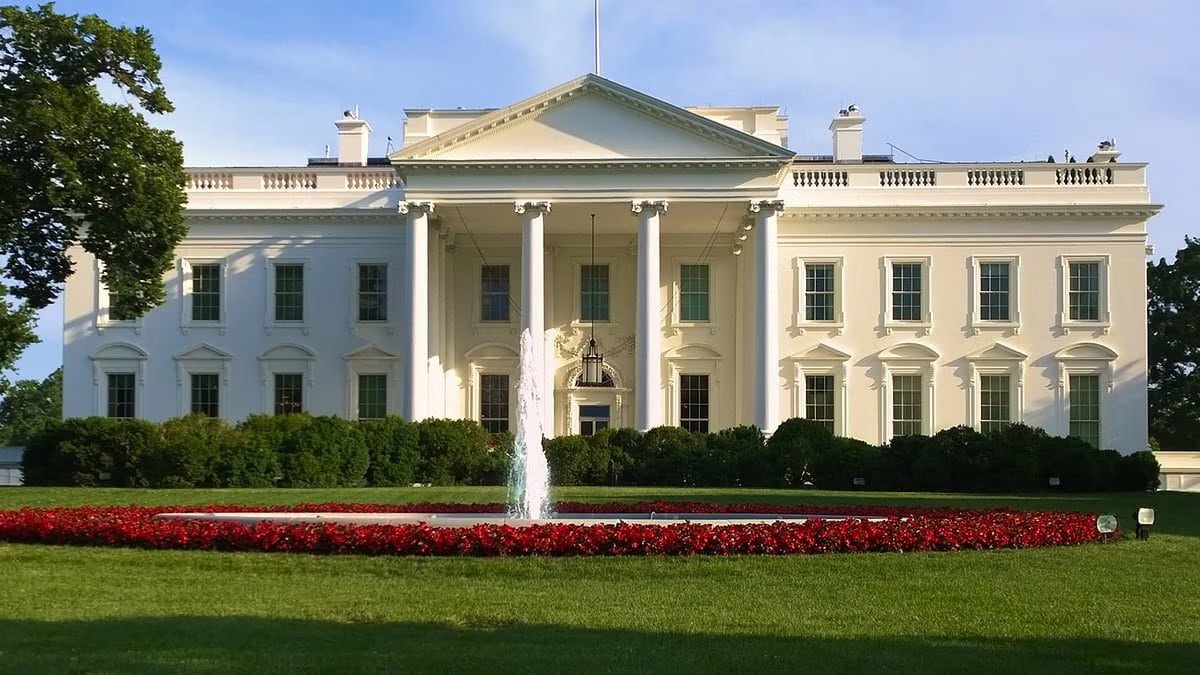
The White House’s Super Intelligence Force is urging federal agencies to limit regulatory liability for companies that voluntarily report cybersecurity vulnerabilities and incidents in good faith, as AI-powered attacks increase the risks facing critical infrastructure, according to a November 13 Cybersecurity Dive report.
The recommendation followed the task force’s second meeting on November 12, where officials discussed incident reporting, information sharing and ways to strengthen the security of essential services.
The task force said regulatory flexibility should last at least 12 months, with the possibility of extension as the threat environment evolves. It also called for clearer reporting requirements that minimize duplication between federal agencies. The recommendations are not yet binding requirements or a finalized reporting framework.
Federal Agencies Consider Greater Protection for Voluntary Reporting
The task force argued that existing cybersecurity standards may no longer adequately reflect the risks created by advancing AI capabilities. Companies that previously maintained reasonable defenses could now face more sophisticated attacks, including those involving AI agents.
Officials also discussed establishing a process through which companies could voluntarily report AI-related incidents. The government would analyze the disclosures and share relevant information with industry to help other organizations defend against similar threats.
The group reiterated support for long-term reauthorization of the 2015 Cybersecurity Information Sharing Act, which provides certain legal protections for companies sharing cyber threat information. The law is due to expire in December 2026.
The task force also backed progress on national standards for AI developers to report safety incidents and share cybersecurity information. It said the government was working with AI laboratories to develop tools for earlier threat detection, improved warnings and faster remediation.
Incident Reporting Creates New Data Governance Responsibilities
For chief data officers (CDOs), the recommendations highlight the importance of treating cybersecurity incident information as critical data. Organizations need reliable processes to capture vulnerabilities, document incidents, preserve evidence and share relevant threat information with government agencies and industry partners.
Voluntary reporting also depends on clear internal accountability. Data, security, legal and compliance teams need to agree on what information can be disclosed, how it is validated and who is responsible for authorizing its release.
As AI-related incidents become more complex, these processes will be increasingly important to establishing clear ownership across AI governance.




 Elevate Your Personal Brand


