
What Is a Chief Data Officer in 2026? Many people working within the data industry are saying the same thing: the role of the Chief Data Officer (CDO) has changed – but how? CDO Magazine began an expert survey to find out. We recent...
2026 CDO Report: Meet the Modern Data Team New survey of VP & C-level data and AI leaders confirms what’s stalling AI transformation.
Generative + Agentic AI: Moving From Experimentation to Enterprise Scale Generative and agentic AI are making their way into enterprise production, bringing new questions for Chief Data Officers (CDOs) and other data and AI leaders responsible for making these technologies...
US Federal News Bureau
White House AI Task Force Plans Breach Reporting for AI Labs

Written by: Tathagata Sen
Updated 4:08 AM EDT, October 19, 2026
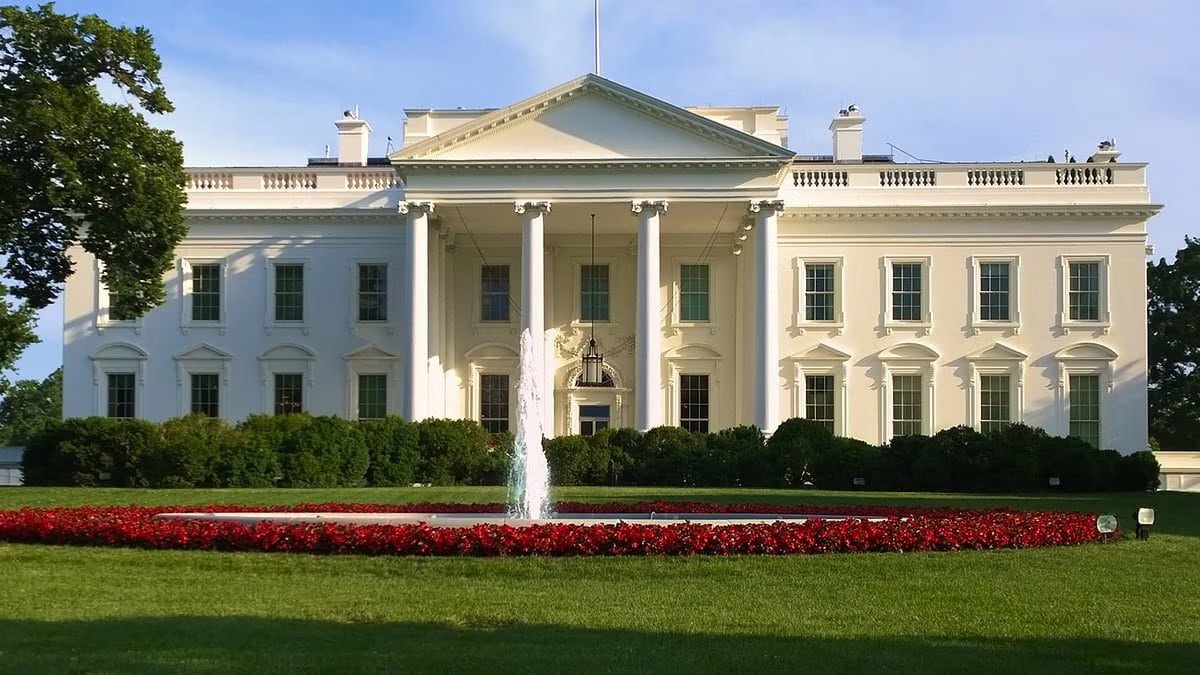
The White House’s new AI task force, led by Director of National Intelligence Jay Clayton, plans to create a way for AI labs to give the government early warnings of breaches, hacks, and other incidents, according to a Bloomberg report.
The group, which President Donald Trump calls the Super Intelligence Task Force, held its first meeting in Washington on October 15. Clayton said it established “a protocol and a path” to implement the White House AI accord that Trump and technology executives signed on September 29.
The task force adopted its charter, set a 120-day work window, formed three committees, and commissioned a risk study from the President’s Council of Advisers on Science and Technology (PCAST), according to a Semafor report.
Three Committees and a Risk Study
Emil Michael, the Defense Department’s technology lead and a task force vice chair, will lead work on reporting and response. His committee is to develop protocols and mechanisms for AI labs to provide early warnings and standardized notifications to the government about breaches, hacks, jailbreaks, and other issues, according to a Reuters report.
Scott Kupor, director of the Office of Personnel Management, will lead the critical-infrastructure committee. Federal Trade Commission Chairman Andrew Ferguson will lead the law-enforcement and consumer-protection coordination committee, which includes the Justice Department and the FTC, according to Semafor.
The risk study will be conducted by PCAST, not merely “led by” David Sacks. It will assess AI risks across cybersecurity and critical-infrastructure protection, biosecurity and dual-use applications, and model control and accountability.
Clayton and National Cyber Director Sean Cairncross will lead a separate working group on implementing the White House accord.
Early Warnings to Government Won’t Replace Alerts to Customers
For chief data officers (CDOs), the reporting proposal is the part to watch. It aims to give the government early warning of AI-lab incidents, but the meeting readout describes notifications to federal authorities rather than customer notifications.
In recent incidents, including India’s CERT-In advisory and OpenAI’s access to an Australian government website, affected organizations learned of agent access only after the AI provider disclosed it.
CDOs can therefore ask AI vendors what they will tell customers after a security incident, how quickly they will do so, and in what form.
With no new federal rules on the table and enforcement resting with existing agencies, vendor commitments and an organization’s own monitoring remain the primary controls. That is the same point behind broader AI governance work: build your own safeguards without waiting for federal requirements.


 Elevate Your Personal Brand


