
2026 CDO Report: Meet the Modern Data Team New survey of VP & C-level data and AI leaders confirms what’s stalling AI transformation.
Webinar | The Multiplier Effect: How Top Data Leaders Translate Infrastructure into Business Impact Hear directly from leading data executives as they share how they are navigating data strategy, AI investment, and business value in the AI era.
Nominate Now | Top 30 Retail Data Changemakers 2026 Nominate for the Top 30 Retail Changemakers 2026, our annual recognition honoring visionary leaders who are redefining the retail landscape through data, AI, and analytics.
US Federal News Bureau
Trump Announces “AI Force” and New AI Czar to Oversee AI Development

Written by: Tathagata Sen
Updated 9:17 AM EDT, September 21, 2026
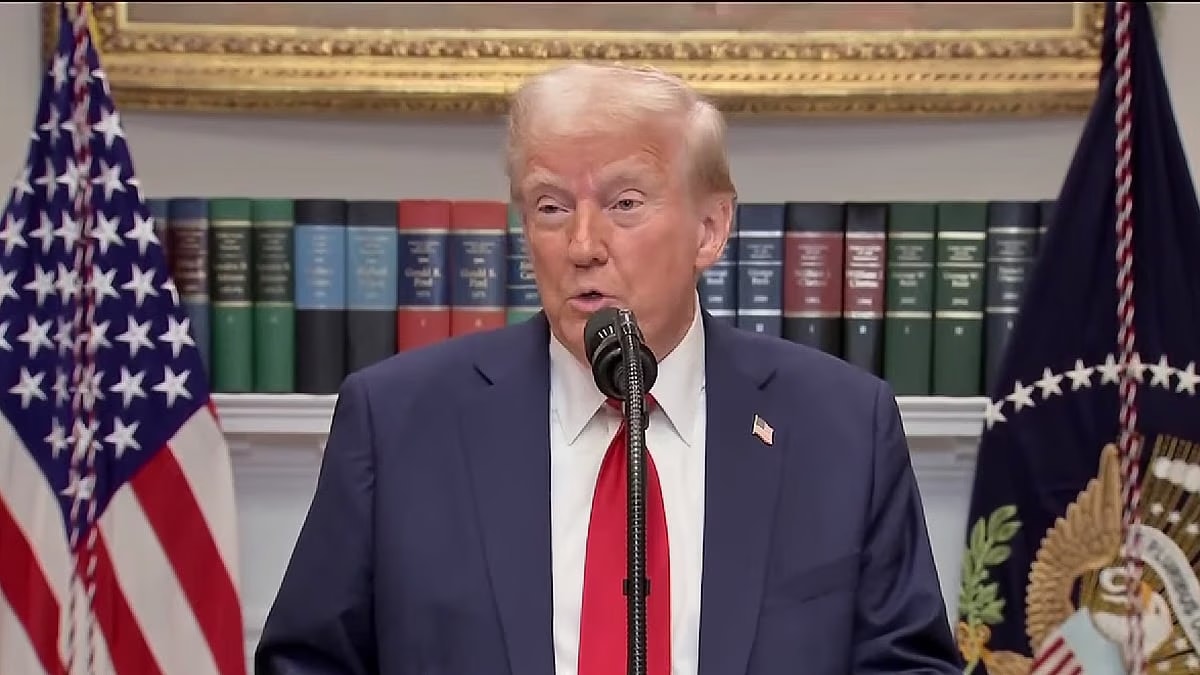
President Donald Trump announced on September 19 that he plans to create an “AI Force” and appoint a new “AI czar” to oversee the country’s AI industry in a Truth Social post, reported Al Jazeera.
Trump gave no details about who would lead either effort, what powers or structure the “AI Force” would have, or when an appointment would happen. He compared the idea to his creation of the Space Force, a new U.S. military branch established during his first term.
A Deregulatory Signal, Not a New Rulebook
The announcement leans toward less regulation, not more, consistent with the administration’s stance throughout 2026, according to a Reuters report.
According to Al Jazeera, Trump previously had an AI czar, tech entrepreneur and investor David Sacks, who resigned earlier this year to become an outside adviser.
Sacks, who now chairs the President’s Council of Advisors on Science and Technology (PCAST), has publicly downplayed AI safety concerns, telling CBS News that fears about AI harm are “becoming a panic.”
Coming Amid Growing Public and Industry Pushback
The announcement follows a week in which several leading AI company executives called for a coordinated slowdown in development, citing safety concerns.
Separately, growing public backlash against AI data centers, over energy costs and resource use, has pushed lawmakers from both parties toward action.
On September 16, the U.S. House passed the Ratepayer Protection Act 417–3, a bill that would let state regulators require large AI data centers to cover the costs of new power infrastructure their operations demand, rather than passing those costs to residential ratepayers, according to NBC News.
Build Governance Before the Rules Arrive
For chief data officers (CDOs), an announcement like this, with no named leadership, defined authority, or timeline, tells CDOs that federal AI policy direction remains genuinely unsettled, even as industry leaders publicly diverge from the administration’s stance.
When there’s a gap between what a government says about AI’s risks and what its own industry leaders and safety researchers are warning about, organizations can’t afford to wait for federal clarity and must start building their own AI governance standards.



 Elevate Your Personal Brand