
What Is a Chief Data Officer in 2026? Many people working within the data industry are saying the same thing: the role of the Chief Data Officer (CDO) has changed – but how? CDO Magazine began an expert survey to find out. We recent...
2026 CDO Report: Meet the Modern Data Team New survey of VP & C-level data and AI leaders confirms what’s stalling AI transformation.
Generative + Agentic AI: Moving From Experimentation to Enterprise Scale Generative and agentic AI are making their way into enterprise production, bringing new questions for Chief Data Officers (CDOs) and other data and AI leaders responsible for making these technologies...
US Federal News Bureau
Proposed Bill Would Create White House Office to Coordinate Federal AI Governance

Written by: Tathagata Sen
Updated 9:35 AM EDT, October 13, 2026
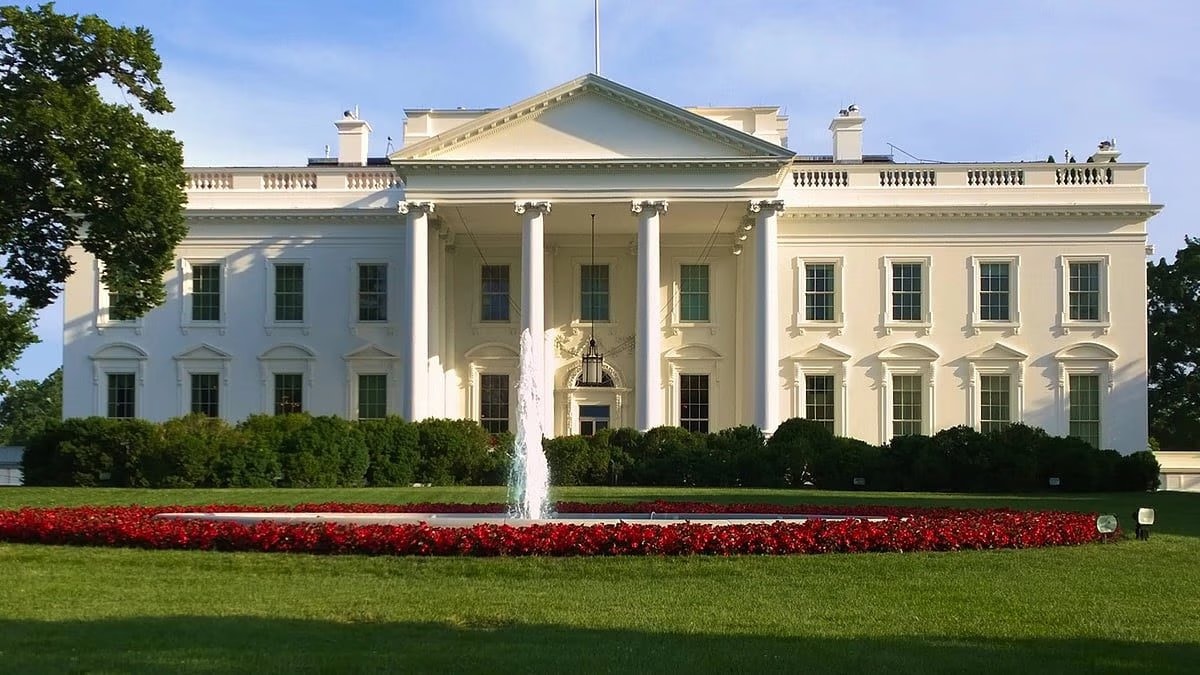
Representative Tom Barrett introduced legislation on October 9 that would create a Cabinet-level office to coordinate federal AI policy and oversee emerging technology threats, according to a MeriTalk report.
The office would coordinate policy across federal agencies, monitor risks and opportunities associated with AI and other emerging technologies, and advise the president on national security, economic and workforce impacts. The legislation has been introduced and referred to the House Committee on Energy and Commerce.
The proposed Artificial Intelligence Governance and Emerging Threats Act would establish the U.S. Office of Artificial Intelligence and Emerging Technology Threats within the Executive Office of the President.
Central Office Would Coordinate Agency AI Policy
Under the proposal, the office would be led by a presidentially appointed representative confirmed by the Senate who would serve in the president’s Cabinet. The representative would act as the president’s principal adviser on AI and emerging technology threats and would be required to testify regularly before Congress.
Five Senate-confirmed deputies would oversee intergovernmental coordination, international engagement, private-sector engagement, national security and emerging technology threats, and economic and workforce impacts.
Barrett said the proposed structure draws on the Office of the Director of National Intelligence, which coordinates activities across federal intelligence agencies.
Implications for Federal Data Governance
For chief data officers (CDOs), the proposal raises questions about how federal agencies would coordinate AI oversight while maintaining clear accountability for their own systems and data.
A central office could help align risk-management expectations across agencies. It could also create a need to clarify how government-wide policy interacts with agency-level responsibilities for data access, quality, privacy and AI system monitoring.
The bill focuses on creating a central authority for AI policy and emerging technology risks rather than setting new agency-level data-governance requirements.
As federal agencies expand their use of AI, CDOs will need to understand how any future government-wide framework affects their existing governance responsibilities.



 Elevate Your Personal Brand