
What Is a Chief Data Officer in 2026? Many people working within the data industry are saying the same thing: the role of the Chief Data Officer (CDO) has changed – but how? CDO Magazine began an expert survey to find out. We recent...
Generative + Agentic AI: Moving From Experimentation to Enterprise Scale Generative and agentic AI are making their way into enterprise production, bringing new questions for Chief Data Officers (CDOs) and other data and AI leaders responsible for making these technologies...
Webinar | The Agentic Mindset Shift: How to Onboard an Agentic Data Team Three sessions, real playbooks, proven results you can replicate.
US Federal News Bureau
Pentagon’s AI Reliance Turns Bad Data Into Strategic Danger

Written by: Tathagata Sen
Updated 4:04 PM EST, November 2, 2026
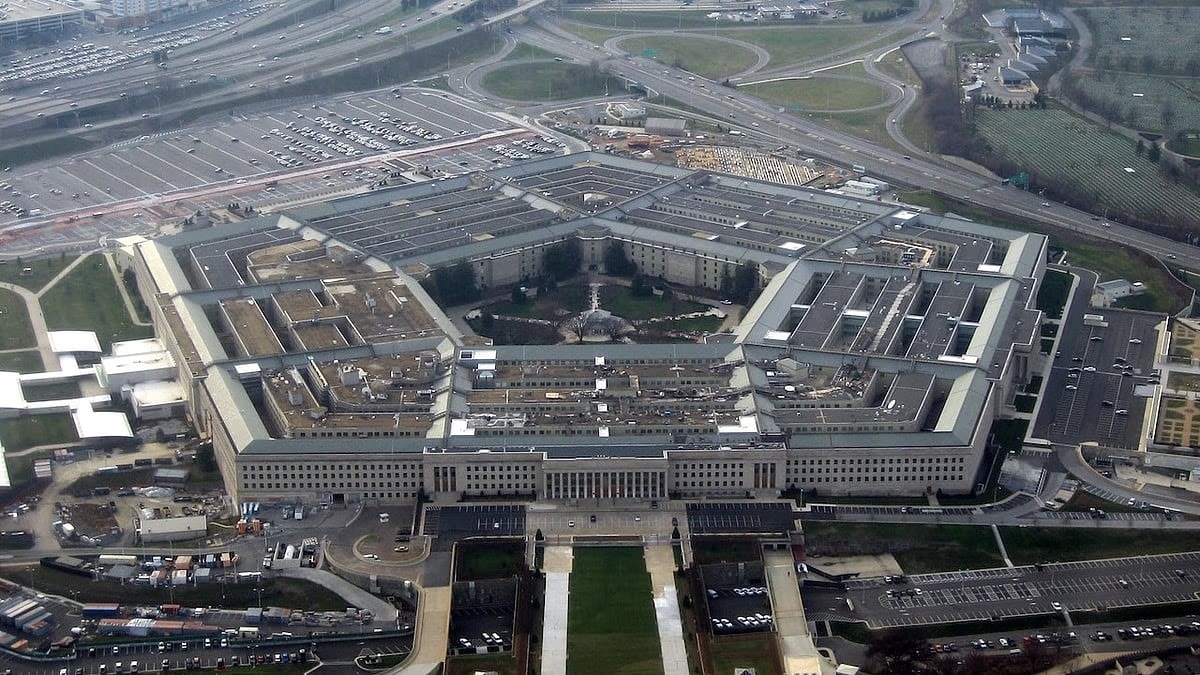
The US Department of Defense is rapidly expanding AI across military operations through Maven, raising concerns about data accuracy, human oversight and reliance on technology providers, according to an October 30 Reuters commentary.
Maven brings together intelligence data with AI models from companies including Anthropic, OpenAI, Google and Microsoft.
According to Reuters, the system was deployed at an unprecedented scale during the Iran conflict, as AI helps Pentagon analysts process large volumes of information and reach decisions faster.
It is crucial to note that according to a CNN report from September, U.S. forces had come close to atacking a Chinese merchant vessel after AI analysis wrongly suggested it was carrying nuclear weapons components.
One source told CNN that it “almost started a war.” Any U.S. operation against the Chinese vessel could have escalated into armed conflict between the two countries.
Notably, when Anthropic issued its prospectus last week ahead of a US stock market listing, it included an unusual warning: that the technological race it is competing in might destroy humanity.
What is more striking is that more than 80 of the filing’s 261 pages describe the risks of developing increasingly advanced AI systems, compared with just 48 pages devoted to Anthropic’s operations and outlook.
When Bad Data Becomes a Strategic Danger
A fundamental challenge for chief data officers (CDOs) is deciding whether and how to use AI for high-stakes decisions.
When AI informs consequential enterprise decisions, flawed inputs can turn a technical error into a real-world crisis. The risk becomes especially severe when systems are fed incomplete, outdated or inaccurate information.
An official-looking intelligence report can be readily trusted by decision-makers and acted on at speed. Data freshness, accuracy, provenance and the ability to trace how information moves through an enterprise are therefore essential safety controls.
For organizations deploying AI across critical operations, AI governance must account for the full data lifecycle: how information is collected, validated, updated and presented to models. Human review remains essential where decisions carry significant operational, financial or public consequences.




 Elevate Your Personal Brand


