
2026 CDO Report: Meet the Modern Data Team New survey of VP & C-level data and AI leaders confirms what’s stalling AI transformation.
Webinar | The Multiplier Effect: How Top Data Leaders Translate Infrastructure into Business Impact Hear directly from leading data executives as they share how they are navigating data strategy, AI investment, and business value in the AI era.
Understanding the ROI of Data Adoption Through a Data Product Marketplace The latest Gartner Hype Cycle for Data, Analytics and AI Leaders lists over 40 different solution areas, each of which covers multiple tools and capabilities. This shows the challenge that Chief Data...
US Federal News Bureau
NSWCPD Tests AI Models to Predict Submarine Compressor Failures

Written by: CDO Magazine
Updated 2:21 PM EDT, May 29, 2026
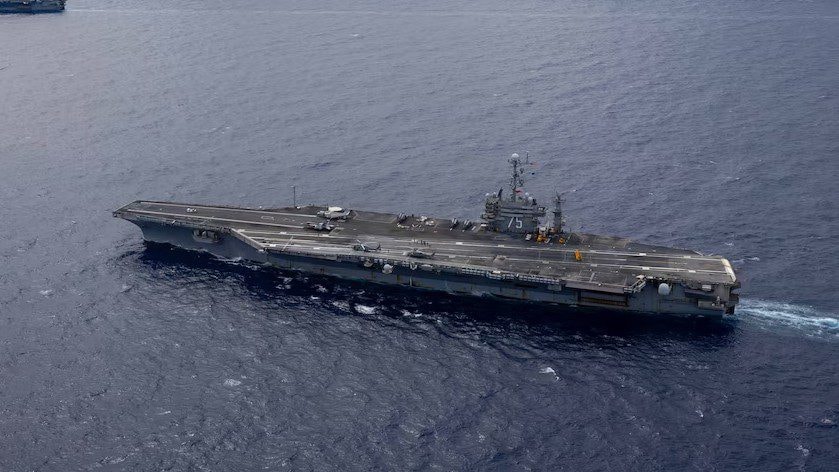
Respresentative image. Source: US Navy
The Naval Surface Warfare Center, Philadelphia Division (NSWCPD) has begun testing artificial intelligence and machine learning models to detect early signs of degradation in submarine air compressors before failures occur.
Engineers are evaluating an experimental model that analyzes vibration data from high-pressure air compressors, which are critical to submarine operations. The goal is to identify faults and track their progression and estimate remaining useful life — an effort that will require larger datasets and continued model refinement.
To train the models, engineers created controlled test environments, introducing faults such as air leaks and cooling issues while capturing vibration signals through accelerometers. Early results, according to machine learning engineer Colin Dingley, show promise in reducing complex data into reliable fault indicators.
“Our lab tests to date show real promise: on sample data, our machine learning models distill thousands of vibration features into just 10 key indicators that reliably flag common faults, such as leaks and restrictions,” NSWCPD Machine Learning Engineer Colin Dingley, said.
The initiative aligns with the U.S. Navy’s Condition-Based Maintenance Plus strategy, which integrates traditional maintenance with AI-driven diagnostics.
“As a warfare center, we are performing applied research into how AI and machine learning can sharpen the tools we provide our Sailors. Projects like this help us understand where AI adds value, where it still falls short, and how we can align digital innovation with our core mission of delivering warfighting capability in both acquisition and sustainment to the fleet,” said NSWCPD Technical Director Nigel C. Thijs.



 Elevate Your Personal Brand