
What Is a Chief Data Officer in 2026? Many people working within the data industry are saying the same thing: the role of the Chief Data Officer (CDO) has changed – but how? CDO Magazine began an expert survey to find out. We recent...
Generative + Agentic AI: Moving From Experimentation to Enterprise Scale Generative and agentic AI are making their way into enterprise production, bringing new questions for Chief Data Officers (CDOs) and other data and AI leaders responsible for making these technologies...
Webinar | The Agentic Mindset Shift: How to Onboard an Agentic Data Team Three sessions, real playbooks, proven results you can replicate.
US Federal News Bureau
NOAA Cloud Migration Raises New Challenges for Federal Data Management

Written by: Tathagata Sen
Updated 10:43 AM EDT, October 26, 2026
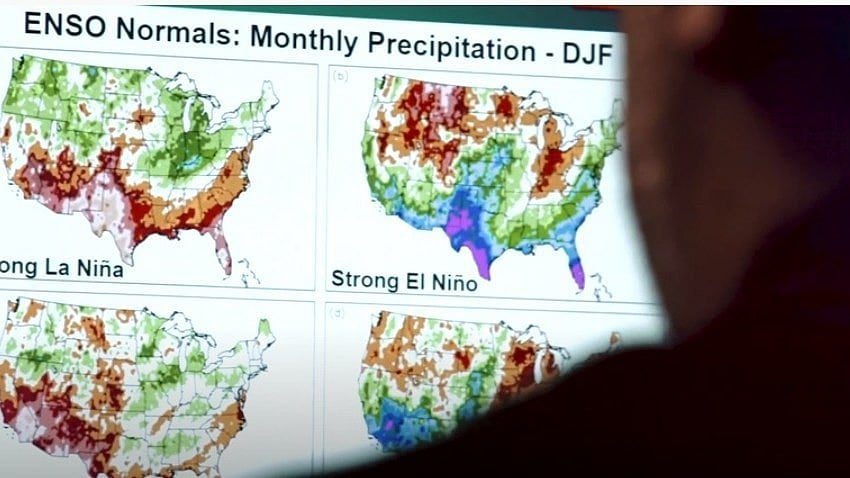
Representative image. Source: NOAA
The National Oceanic and Atmospheric Administration (NOAA) is moving key weather-forecasting systems to the cloud as its aging supercomputers struggle to handle growing volumes of information, according to an October 23 NextGov report.
The migration is exposing a major data-management challenge: preserving high-resolution information that can be lost during transmission.
NOAA announced the effort as part of its WCOSS (Weather and Climate Operational Supercomputing System, NOAA’s primary supercomputing system for generating the weather models modernization project.
Google Cloud serves as the primary high-performance computing provider. The agency expects a full-scale cloud system by the end of 2026 and go-live by the end of 2027, according to the report.
NOAA operates two physical supercomputers for WCOSS to generate weather models used across the agency and shared with the public.
To move information to NOAA’s 122 local forecast offices, the agency may have to shrink datasets by omitting variables or atmospheric layers, meaning some original information will be permanently lost.
Administrator Neil Jacobs said the bigger problem is data NOAA has already deleted and will never recover.
Cloud Migration Requires Rethinking Data Architecture
For Chief Data Officers (CDOs), NOAA’s experience illustrates a fundamental governance issue: moving information to the cloud without losing data.
For federal data leaders, the migration demonstrates why data governance must address what information is retained, what can be discarded and whether it remains usable as computing architectures change.



 Elevate Your Personal Brand



