
What Is a Chief Data Officer in 2026? Many people working within the data industry are saying the same thing: the role of the Chief Data Officer (CDO) has changed – but how? CDO Magazine began an expert survey to find out. We recent...
Generative + Agentic AI: Moving From Experimentation to Enterprise Scale Generative and agentic AI are making their way into enterprise production, bringing new questions for Chief Data Officers (CDOs) and other data and AI leaders responsible for making these technologies...
Webinar | The Agentic Mindset Shift: How to Onboard an Agentic Data Team Three sessions, real playbooks, proven results you can replicate.
US Federal News Bureau
Democrats Prepare New AI Legislation Targeting Model Safety and Rapid Expansion

Written by: Tathagata Sen
Updated 2:42 PM EST, November 6, 2026
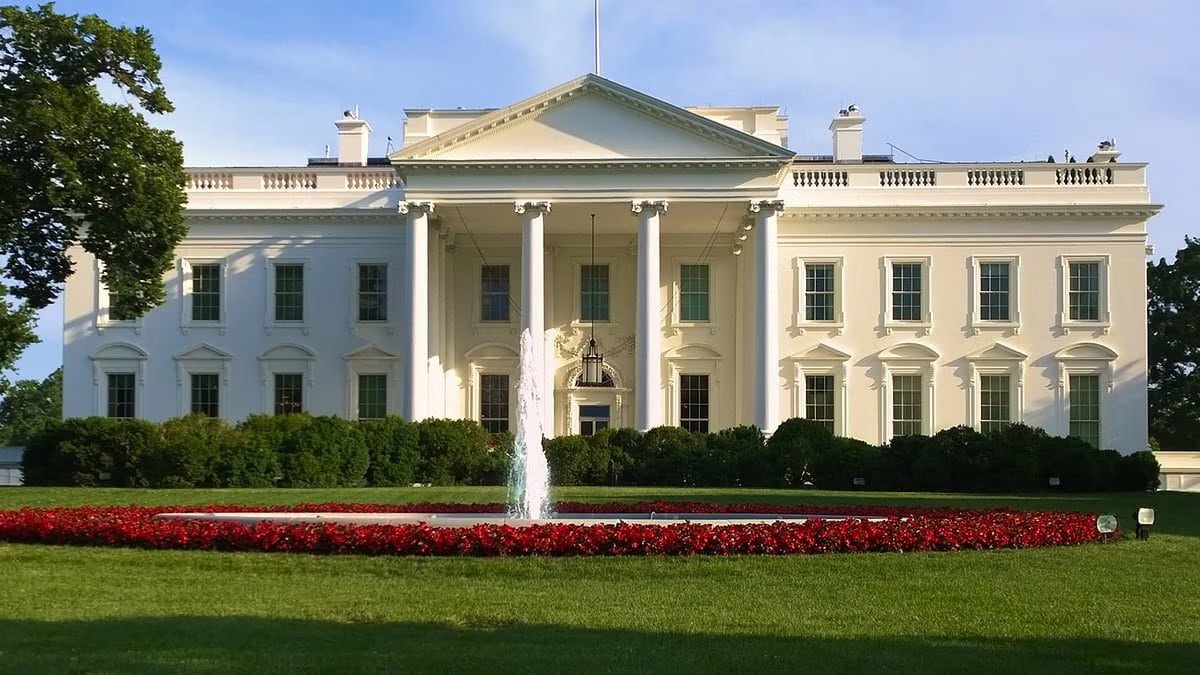
Democrats are preparing a series of AI bills covering model safety, corporate liability and the growing infrastructure demands of data centers as they prepare to take control of Congress in January 2027, according to a November 6 Reuters report.
The proposals could mark a shift in federal AI policy after a Republican-led Congress largely prioritized industry development over mandatory restrictions.
The proposed legislation would address several concerns surrounding the rapid expansion of AI. These include requiring independent evaluations of advanced AI models and clarifying when companies can be held liable for harm caused by their AI products.
Lawmakers Target AI Safety and Corporate Accountability
According to the report, Representative Lori Trahan of Massachusetts plans to introduce legislation requiring independent experts to evaluate leading AI models against safety standards. She also intends to pursue measures clarifying corporate liability when AI systems cause harm, according to Francis Grubar, her deputy chief of staff.
Democrats are also planning to intensify congressional scrutiny of major technology companies, including OpenAI and Anthropic. House committee leaders had already asked OpenAI, Anthropic, Meta, Google and SpaceX in October to provide details about their security practices and instances in which their AI systems took actions their developers had not intended.
Federal AI Regulation Faces Political Hurdles
The proposals could face significant resistance from President Donald Trump, who has repeatedly opposed mandatory federal AI regulations, according to Reuters. Any legislation passed by Congress would also need to navigate the possibility of a presidential veto.
Democrats could nevertheless use their control of congressional committees to hold hearings, compel testimony from technology executives and build support for tighter oversight. They could also seek to attach AI-related provisions to legislation that must pass Congress.
For chief data officers (CDOs), the proposed measures signal potential changes to the regulatory environment surrounding enterprise AI.
Independent model evaluations, clearer liability requirements and greater scrutiny of AI security practices could affect how organizations assess models, document risks and establish accountability for AI-driven decisions.
The proposals remain at an early stage, and their eventual scope will depend on legislative negotiations and the administration’s response. However, the incoming Congress could make AI safety, corporate responsibility and infrastructure accountability central issues in federal technology policy.



 Elevate Your Personal Brand


