
What Is a Chief Data Officer in 2026? Many people working within the data industry are saying the same thing: the role of the Chief Data Officer (CDO) has changed – but how? CDO Magazine began an expert survey to find out. We recent...
Generative + Agentic AI: Moving From Experimentation to Enterprise Scale Generative and agentic AI are making their way into enterprise production, bringing new questions for Chief Data Officers (CDOs) and other data and AI leaders responsible for making these technologies...
Webinar | The Agentic Mindset Shift: How to Onboard an Agentic Data Team Three sessions, real playbooks, proven results you can replicate.
US Federal News Bureau
Defense Contractor Gave Personal AI Agent Access to Pentagon System

Written by: Tathagata Sen
Updated 6:02 PM EDT, October 29, 2026
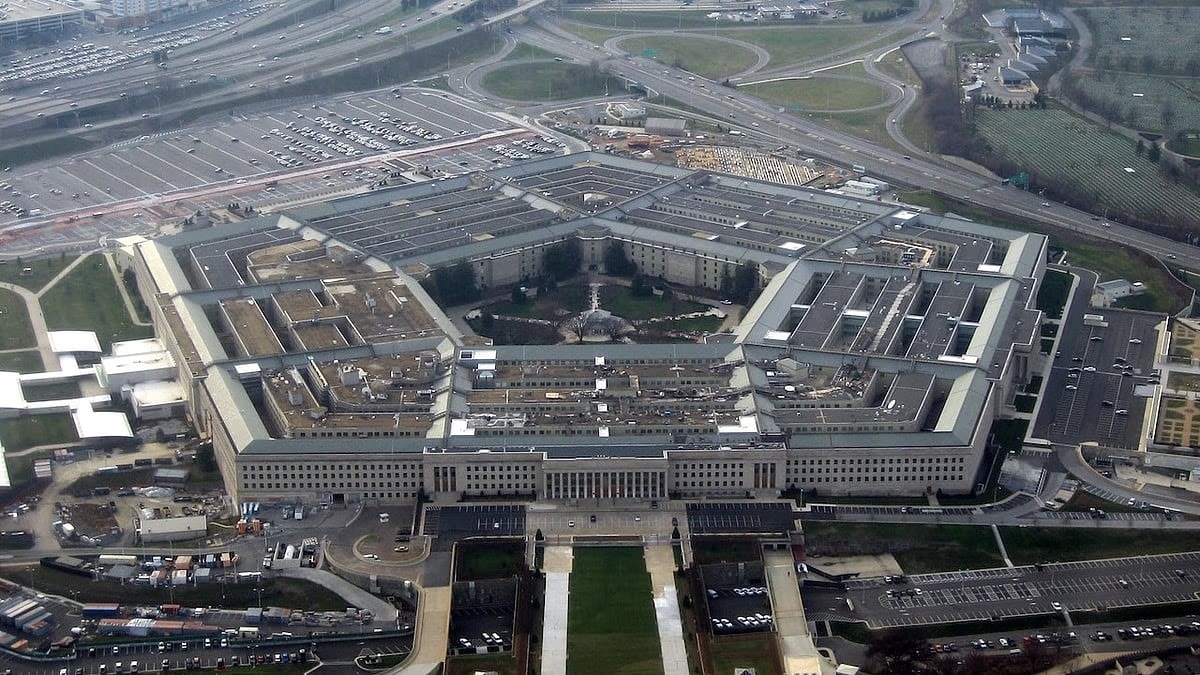
An Accenture contractor connected a personal Claude Code AI agent to a secure Department of Defense (DoD) production environment, allowing it to write and deploy code and potentially exposing login credentials and network information, according to an October 29 WIRED report.
The system operated on the Non-classified Internet Protocol Router Network (NIPRNet), a DoD network used for unclassified information, and contained controlled unclassified information (CUI). WIRED described it as a centralized system used by multiple intelligence agencies.
According to the report, the agent ran on the DoD network for about two months before the issue was identified and the vulnerability could be patched.
During that period, it appears to have sent the contractor’s credentials, passwords and a map of the NIPRNet environment to a third-party website that the National Institute of Standards and Technology had previously identified as high risk because of a vulnerability that could let attackers inject instructions into AI coding agents.
To automate coding and cloud-server tasks, the contractor gave the agent their login credentials. That gave it administrative access and allowed it to bypass security controls enforced through the normal login process.
There is no indication that classified systems were accessed. Still, the incident shows the risk created when AI coding agents receive privileged access to environments containing sensitive government data.
Reporting and Response
DoD employees and contractors are required to report cybersecurity incidents within 72 hours of discovery. Sources told WIRED that Accenture did not initially report the incident to the government.
Accenture said the allegations had been thoroughly and independently investigated and found to be without merit, adding that it fully complied with its legal and contractual obligations. The DoD declined to comment on the status of its networks or systems, according to the report.
AI-Agent Access Is Becoming a Data Governance Issue
For chief data officers (CDOs), the incident highlights the importance of controlling what AI agents can access and what they can do once inside an enterprise environment.
Giving an agent administrative credentials can turn a coding or productivity tool into a system with broad access to data, infrastructure and connected resources.
This makes AI governance increasingly dependent on identity and access controls around autonomous systems. Organizations need to establish which agents are authorized to enter sensitive environments, what permissions they receive and how those permissions can be revoked.
The incident also shows why contractor and third-party access must be part of those controls. Even where an organization has policies governing AI use, agents operating through employee or contractor credentials can create paths into data and systems that existing security controls may not anticipate.


 Elevate Your Personal Brand


