
What Is a Chief Data Officer in 2026? Many people working within the data industry are saying the same thing: the role of the Chief Data Officer (CDO) has changed – but how? CDO Magazine began an expert survey to find out. We recent...
Generative + Agentic AI: Moving From Experimentation to Enterprise Scale Generative and agentic AI are making their way into enterprise production, bringing new questions for Chief Data Officers (CDOs) and other data and AI leaders responsible for making these technologies...
Webinar | The Agentic Mindset Shift: How to Onboard an Agentic Data Team Three sessions, real playbooks, proven results you can replicate.
US Federal News Bureau
AI Data Centers Could Become Critical Infrastructure as Federal Security Concerns Grow

Written by: Tathagata Sen
Updated 3:32 PM EDT, October 23, 2026
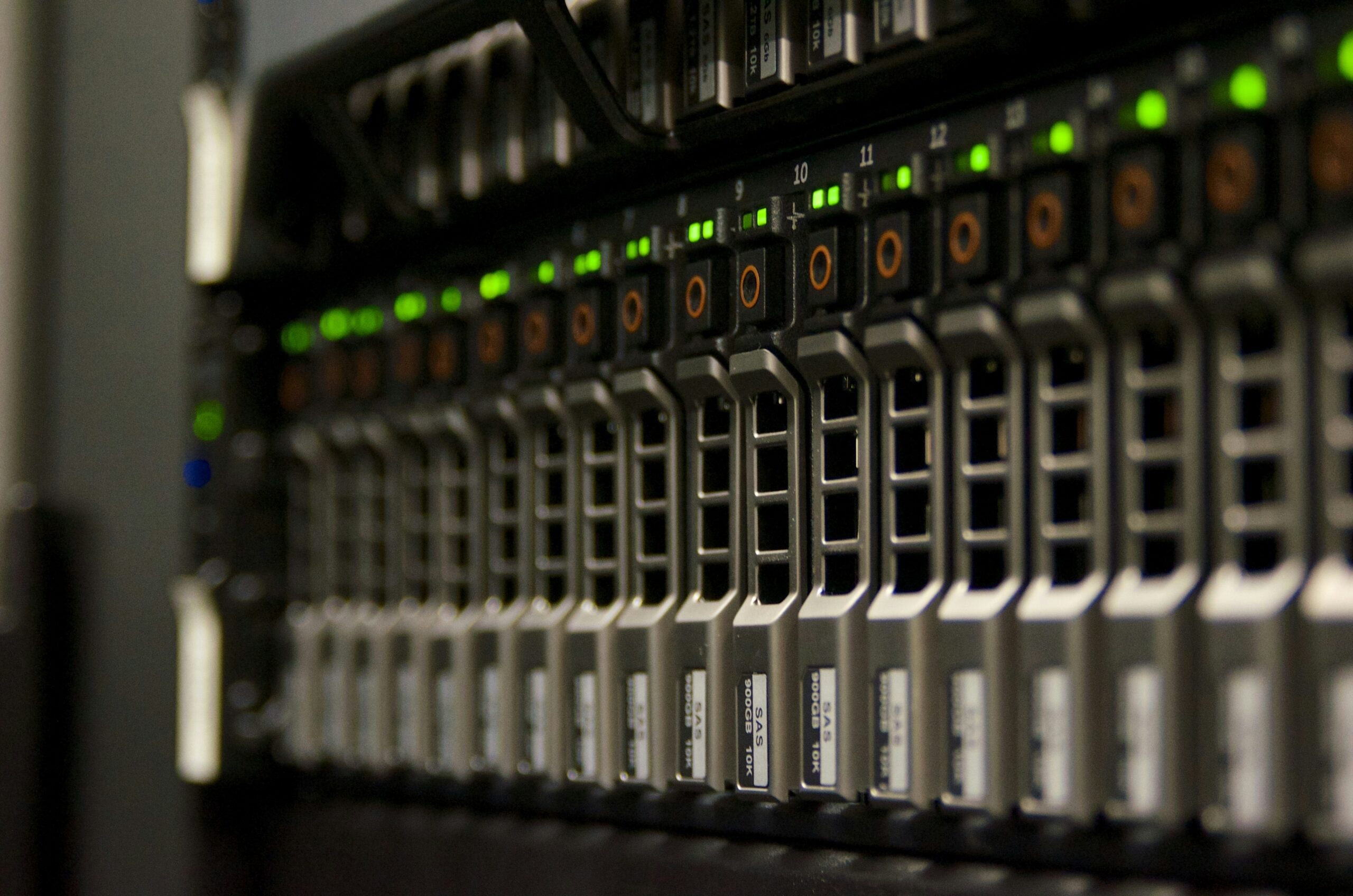
Photo credit: Unsplash.com
AI data centers could eventually be designated as critical infrastructure in the United States as government, military and commercial systems become increasingly dependent on their computing capacity, according to Jim Himes, ranking member of the House Permanent Select Committee on Intelligence.
Himes made the case at an October 21 event at the Brookings Institution in Washington, D.C., according to a Nextgov/FCW report.
He said there is “no question” these facilities will be considered critical infrastructure because so much future functionality will rely on their health and existence. AI-focused facilities could become even more important than the network data centers the country has relied on for 40 years.
Himes argued that protecting U.S. facilities will require a more robust and distributed computing infrastructure, with essential services spread across multiple locations so critical functions remain redundant and protected.
The United States currently recognizes 16 critical-infrastructure sectors, including information technology, communications and financial services. AI data centers are not yet designated as a standalone sector, although they already support some critical functions.
Infrastructure Resilience Is Becoming a Data Governance Concern
For Chief Data Officers (CDOs), the discussion raises questions about the availability, security and resilience of the infrastructure supporting enterprise data and AI systems.
As organizations depend more heavily on large-scale computing facilities, data leaders need to understand where critical data is processed, how it moves between systems and what happens when the underlying infrastructure becomes unavailable.
These considerations extend the scope of enterprise AI governance. Governance programs must account for the systems and facilities on which AI applications rely, including risks from service interruptions, infrastructure dependencies and the availability of mission-critical data.



 Elevate Your Personal Brand


