
The Evolving Role of the Data, AI, and Analytics Executive: 2026 Benchmark Survey
Nominate Now | Top 30 Retail Data Changemakers 2026 Nominate for the Top 30 Retail Changemakers 2026, our annual recognition honoring visionary leaders who are redefining the retail landscape through data, AI, and analytics.
How to Become a Chief Data Officer A decade ago, relatively few organizations had a Chief Data Officer (CDO). Today, the role sits at the center of enterprise data, AI, and business transformation. What began as a role focused largely...
Leadership
VIDEO | World Vision International, CDO: Data Must Make Sense to The One Collecting It

Written by: CDO Magazine
Updated 12:26 PM EDT, September 20, 2023
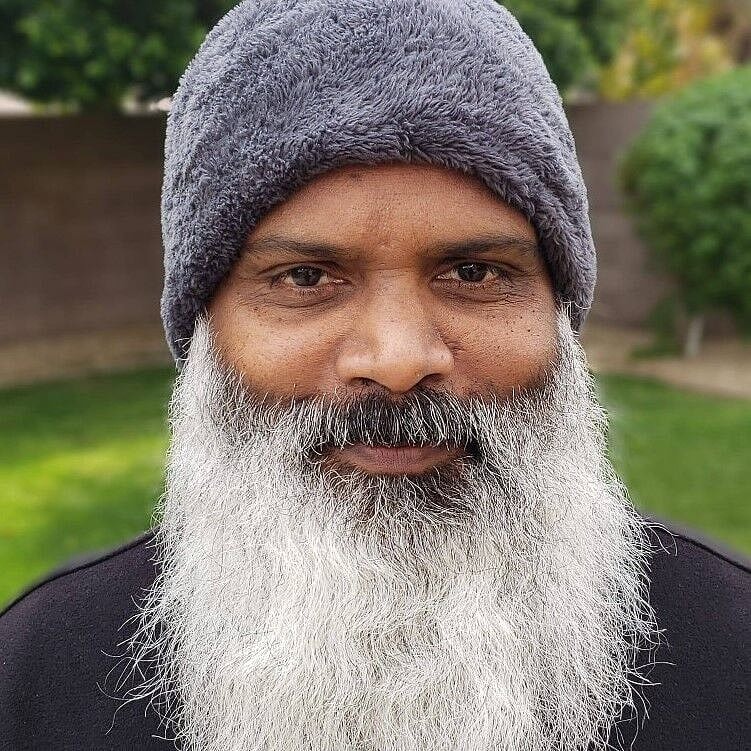
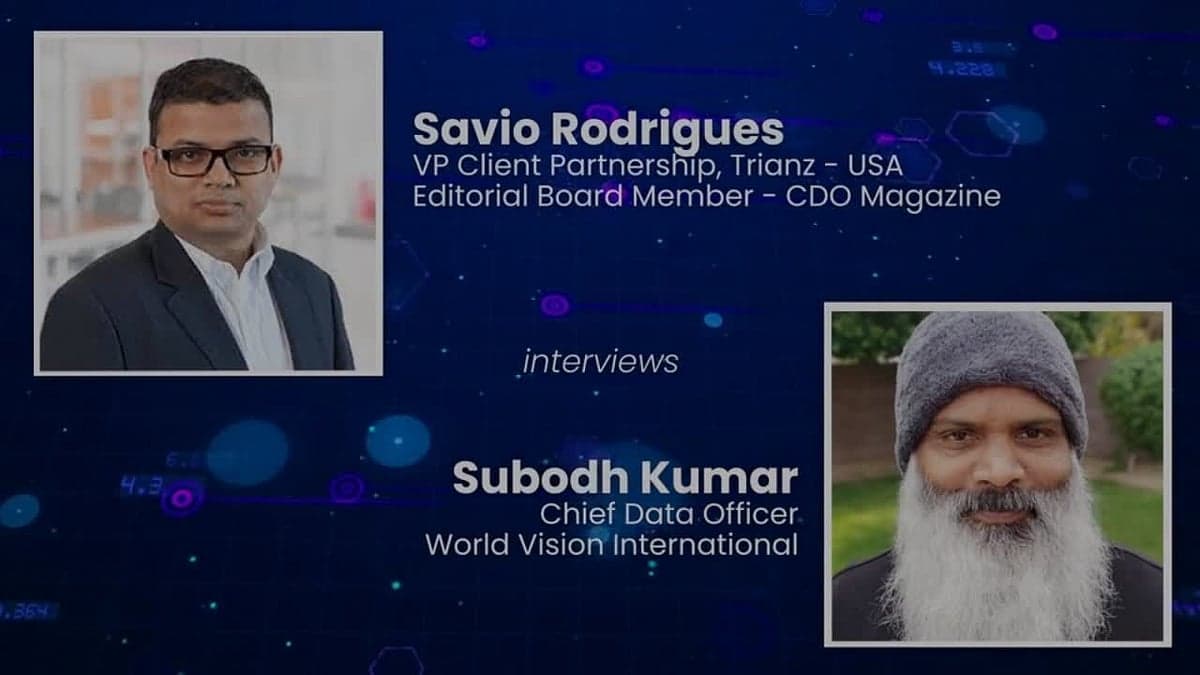
CDO Mag Subodh Kumar Part 1 of 3
(US and Canada) Subodh Kumar, Chief Data Officer, World Vision International, speaks with Savio Rodrigues, VP-Client Membership, Trianz, and Editorial Board Member, CDO Magazine, about data literacy, the challenges of communicating data across the organization, techniques to overcome change management hurdles, approaches to establishing data literacy, the type of leadership that facilitates the need for change, and key points to achieve better outcomes.
The key challenge while working on data literacy is the ambiguity around why the data is being collected. Kumar begins the discussion by stating that data does not motivate staff regularly. To them, it is a burden that requires reporting accountability.
At World Vision, the staff is concerned about helping and changing the lives of the poor. However, they do not understand how they can leverage data into what they do for better outcomes.
Kumar began his World Vision journey at the grassroots level. One of the principles he follows is that data must first make sense to the one collecting it, or else it is meaningless.
Kumar says he takes a mixed approach to building data literacy. He mentions conducting several training programs and building advanced skills through formal online classes. His most popular strategy involves “‘Coffee with Subodh,” where the staff learns about data in an informal setting.
Kumar maintains that hands-on training and coaching best build data literacy skills. He states that numerous courses teach analyzing data, but none teach practical data application in a day-to-day context. He cites experiential learning as the most important part of building data literacy.
He shares that after starting his data journey, Kumar did not get support from the leadership level because none of them understood the data. However, at World Vision, four C- level executives showed interest in and willingness to work with data and, in turn, motivated the other teams.
Regarding key points that derive better outcomes, Kumar says World Vision emphasizes ”‘what” over “why.”’ The company is powered by faith and believes that relating data with faith changes the hearts and minds of those involved. Why data is collected is second.
A spiritual call leads people to join the humanitarian industry. Once they understand data, however, they experience better work outcomes, Kumar concludes.



 Elevate Your Personal Brand