
2026 CDO Report: Meet the Modern Data Team New survey of VP & C-level data and AI leaders confirms what’s stalling AI transformation.
Webinar | The 2026 Data & AI Compensation Benchmark: What Executive Talent Is Really Worth From compensation benchmarks to organizational influence, uncover what the market reveals about the evolving data and AI executive role.
Understanding the ROI of Data Adoption Through a Data Product Marketplace The latest Gartner Hype Cycle for Data, Analytics and AI Leaders lists over 40 different solution areas, each of which covers multiple tools and capabilities. This shows the challenge that Chief Data...
Leadership
Data Governance Has Always Been Human: Timeless Lessons from Early Computing Pioneers

Written by: Tina Salvage | Senior Data & AI Consultant at OminiaDigital
Updated 12:03 PM EDT, May 7, 2026
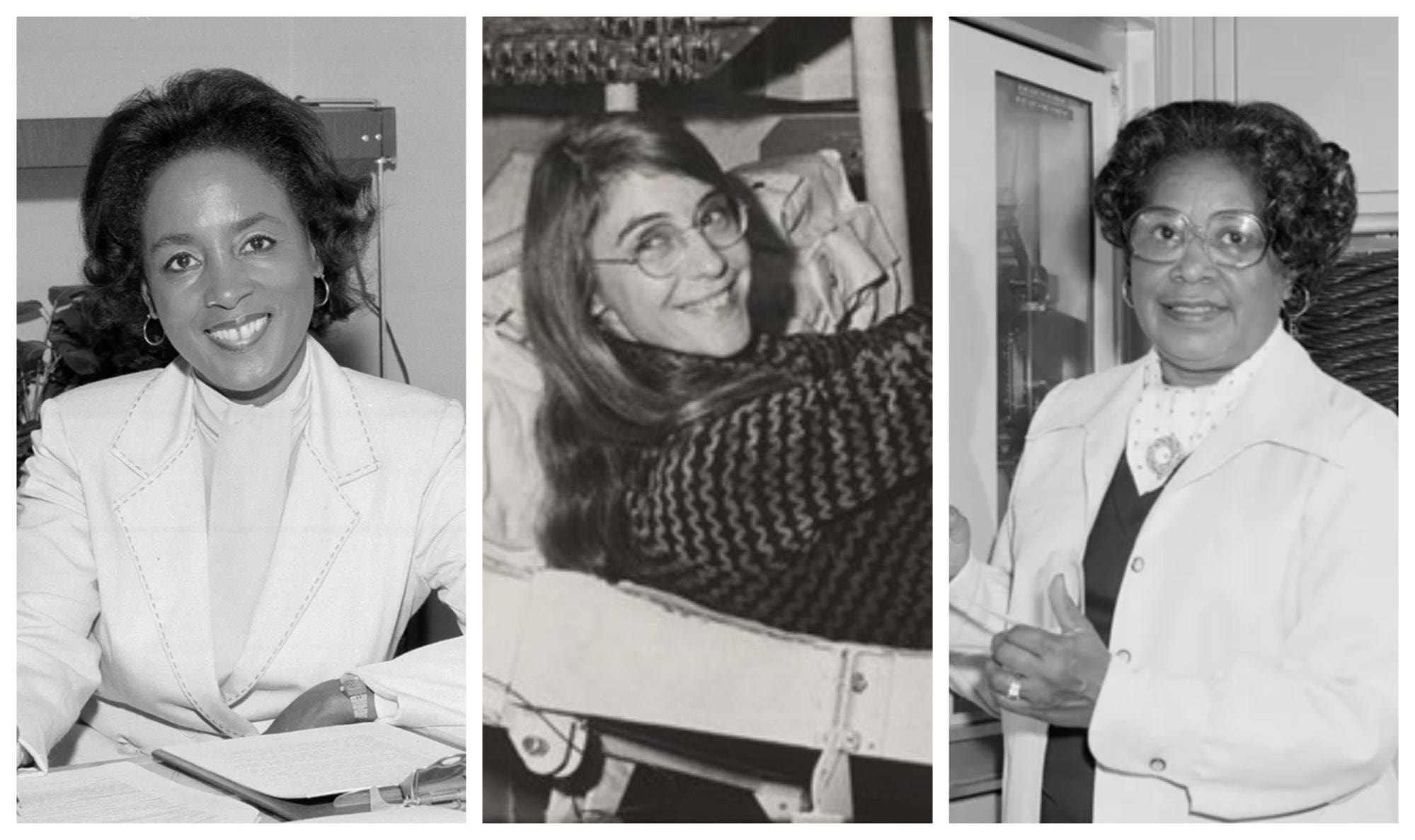
In the world of data governance, we often speak of control, lineage, quality, and accountability. But rarely do we consider the human legacy behind these principles. As our modern frameworks mature, it is worth looking back, especially to the women whose foundational work in technology and data, though underrecognized, helped lay the groundwork for the disciplines we lead today.
These pioneers didn’t use today’s terminology: “data stewardship,” “metadata management,” “incident escalation.” Yet their achievements embody the very essence of data governance: rigor, ethics, inclusivity, and resilience. Their stories remind us that governance is not just about structure. It is about trust, and trust has always started with people.
Annie Easley: Coding before governance had a name
Dr. Annie Easley worked at NASA as a computer scientist and mathematician when programs were written in assembly language and run on punch cards. Her work on energy conversion systems and rocket launches required intense focus on accuracy, version control, and documentation, the hallmarks of today’s data governance programs.
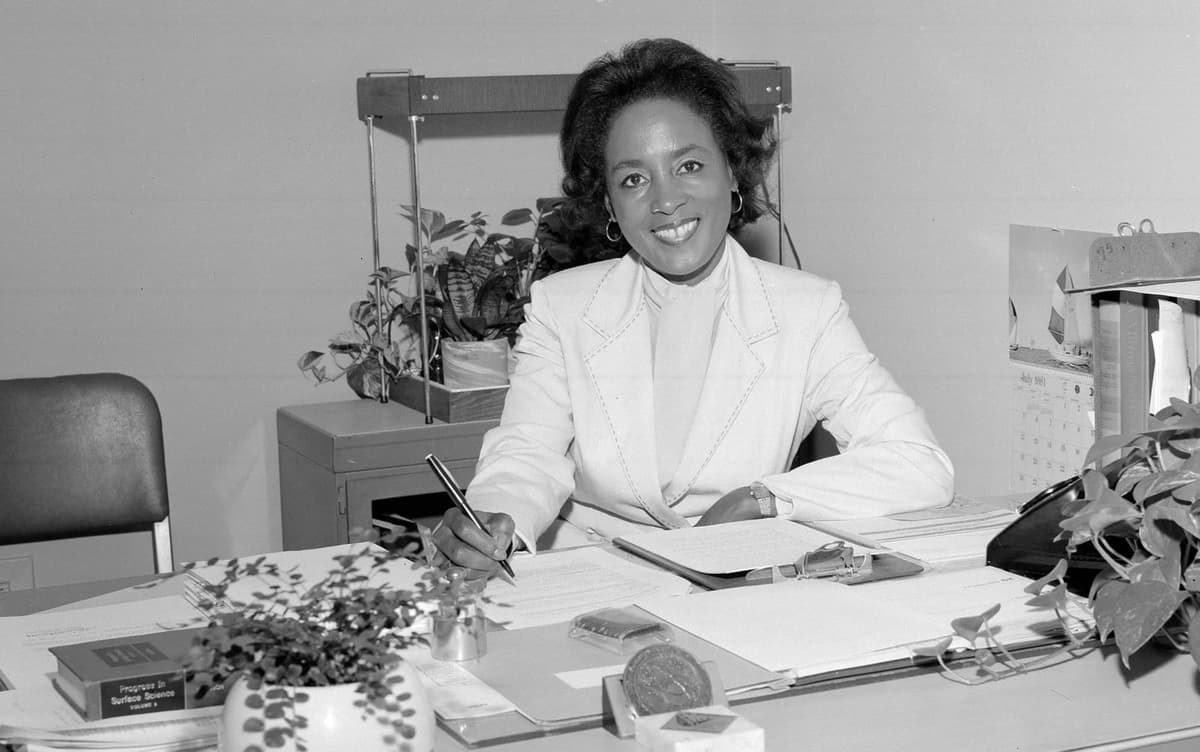
Dr. Annie Easley (Source: NASA)
In an era without Git repositories or automated lineage tools, Easley’s meticulous approach underscored an enduring truth: reproducibility is non-negotiable when lives, machines, or decisions are on the line.
Her legacy invites us to think of data lineage not just as a technical trail, but as a human act of accountability, leaving a trail others can trust and verify.
Margaret Hamilton: From space missions to data quality management
Margaret Hamilton famously led the software engineering team for the Apollo 11 guidance system. She coined the term “software engineering” and insisted on building resilient systems with robust error detection and recovery capabilities.

Margaret Hamilton (Source: MIT Museum)
Margaret Hamilton (Source: MIT Museum)
When we talk about data quality today, we reference business rules, exception handling, and monitoring. Hamilton practiced these principles in the most extreme environment imaginable: space. Her work reminds us that quality is not a luxury; it is a lifeline. In modern data governance, that means investing in automated rules, escalation paths, and impact analysis, not just to meet SLAs, but to protect the mission of our organizations.
Christine Darden: A transition to data-driven decisions
Dr. Christine Darden, another “Hidden Figure,” spent her career converting physical experimentation into mathematical modeling at NASA. By championing the use of data to optimize aircraft noise and fuel efficiency, Darden helped shift her field toward evidence-based decision-making.
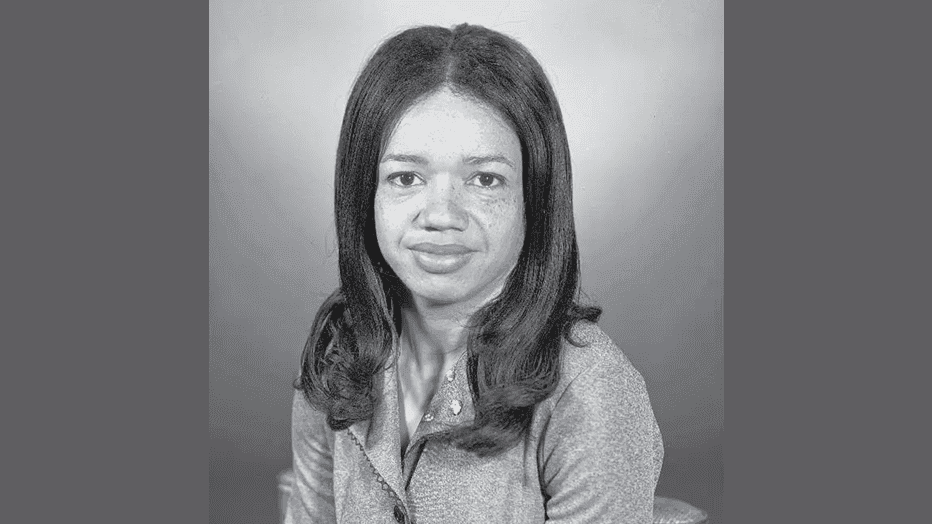
Dr. Christine Darden (Source: NASA)
Dr. Christine Darden (Source: NASA)
This mirrors the journey many enterprises are on today, shifting from gut feel to governed, data-informed strategy. Darden’s experience teaches us that such a transition demands not only technology, but trust in the data, the models, and the people who manage them. Governance enables trust by ensuring the models are explainable, the data is accurate, and the processes are auditable.
Mary Jackson: Equity as a governance principle
Mary Jackson, NASA’s first Black female engineer, was a trailblazer not just in technical achievement, but in championing equity and access. Later in her career, she worked to elevate women and minorities within STEM, making systemic inclusion part of her life’s mission.
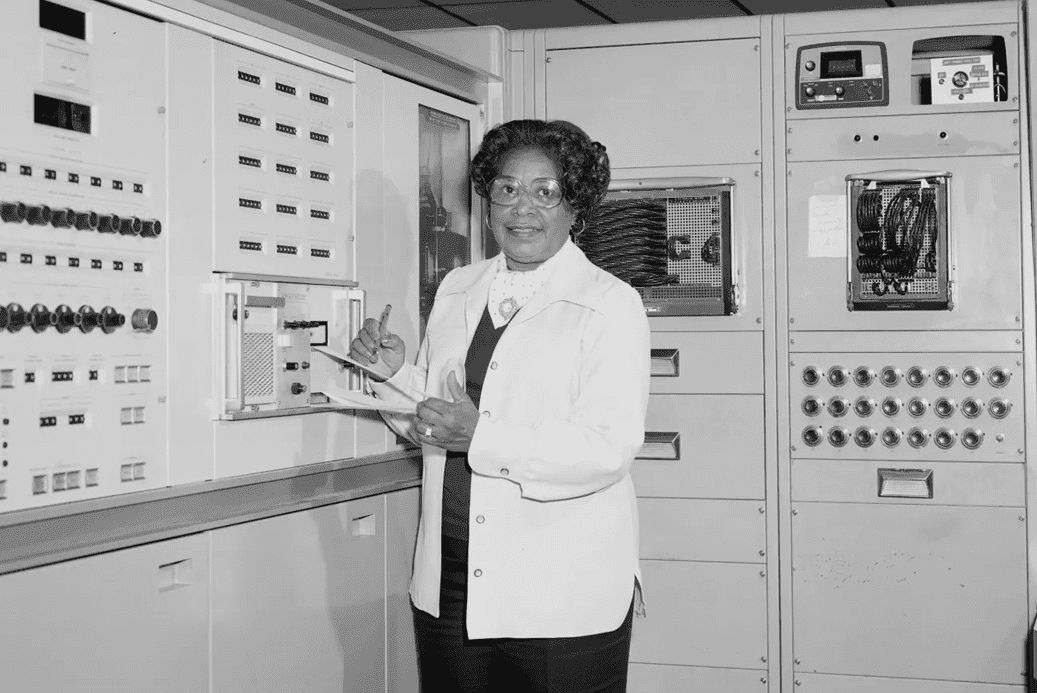
Mary Jackson (Source: NASA)
Mary Jackson (Source: NASA)
Today’s governance frameworks increasingly include ethics and fairness, not as afterthoughts, but as core pillars. Whether we are addressing bias in AI models or access controls in data platforms, Jackson’s work urges us to ask, “Who is represented? Who is left behind?” In governance, fairness is more than compliance; it is conscience.
Patricia Berglund: Metadata, methodology, and modern governance
Dr. Patricia Berglund’s contributions to biostatistics and survey methodology offer a modern-day bridge between data science and governance. Her work on public health datasets, particularly around missing data imputation and metadata standards, is foundational for anyone managing large-scale data assets today.
Berglund exemplifies how governance supports data usability. Without metadata, definitions, formats, lineage, and context, data is just noise. Her rigor in documenting, weighting, and standardizing data reminds us that clarity fuels confidence, and confidence fuels adoption.
Mary Lee Berners-Lee: The quiet architect of digital systems
Often overshadowed by her son, Sir Tim Berners-Lee (inventor of the World Wide Web), Mary Lee Berners-Lee was one of the first to write programs for the Ferranti Mark I, the world’s first commercially available general-purpose computer. She helped develop early commercial applications of computing, and in doing so, paved the way for today’s digital enterprise.
Berners-Lee’s story gives us a poetic full circle, from the first punch cards to modern web-scale governance. As we govern today’s complex networks, APIs, web data, and data lakes, we do so standing on the shoulders of those who first translated logic into code. Her legacy challenges us to honor the invisible scaffolding that makes modern governance possible.
Indigenous and Non-Western contributions: Community Stewardship before the cloud
Finally, let us look beyond institutional labs. Across Indigenous and non-Western traditions, forms of data stewardship have long existed in the form of oral traditions, community records, and ceremonial roles, especially among women. From early census work in colonial India to community health mapping in parts of Africa and Latin America, these grassroots practices emphasized accuracy, representation, and trustworthiness.
We often think of governance as top-down, but these traditions show its power from the ground up. As we build enterprise-wide governance programs, we might learn from these approaches, particularly in areas like data ethics, consent, and culturally aware data sharing.
Looking forward: Governance with a memory
As we shape the future of data governance with AI copilots, privacy regulations, and federated stewardship, it is worth remembering that many of our best ideas are not new. They were lived, practiced, and passed on by women whose names rarely make our playbooks but absolutely should based on the value they created. Their stories invite us to see governance not as a box-ticking exercise, but as a moral contract to be transparent, be fair, remember, and protect. In honoring them, we elevate not just their work, but our own.
If you are building data governance programs today, remember the legacy behind your practices. Annie Easley’s documentation, Margaret Hamilton’s quality control, Mary Jackson’s advocacy. They are not just historical anecdotes. They are blueprints.
The responsibility now is to translate those principles into how we design, govern, and scale data today.
*Note: The views expressed in this article are those of the author and reflect individual perspectives and experience.
About the Author:
Tina Salvage is a Senior Data & AI Consultant at OminiaDigital, specialising in data strategy, governance, and the responsible adoption of AI across complex organisations. She brings over a decade of experience across financial services and global enterprises, with deep expertise in data management, regulatory environments, and financial crime compliance.
Salvage is known for translating data ambition into practical, scalable operating models. She has a strong track record of driving strategic transformation across business processes, systems, and organisational structures working closely with executive leadership, business stakeholders, and technology teams to embed lasting change.
Her focus is data, governance, and value for business outcomes. She is passionate about building data and AI foundations that not only meet regulatory expectations but enable organisations to operate more effectively, make better decisions, and unlock commercial opportunity.
Salvage’s approach is rooted in people as much as process bringing clarity to roles, telling the right story to gain buy-in, and creating the conditions for teams to take ownership and thrive.


 Elevate Your Personal Brand