
2026 CDO Report: Meet the Modern Data Team New survey of VP & C-level data and AI leaders confirms what’s stalling AI transformation.
Webinar | The 2026 Data & AI Compensation Benchmark: What Executive Talent Is Really Worth From compensation benchmarks to organizational influence, uncover what the market reveals about the evolving data and AI executive role.
What Is a Chief Data Officer in 2026? Many people working within the data industry are saying the same thing: the role of the Chief Data Officer (CDO) has changed – but how? CDO Magazine began an expert survey to find out. We recent...
Artificial Intelligence
UN Debate Exposes Deep Split on Global AI Oversight

Written by: Tathagata Sen
Updated 9:50 AM EDT, October 1, 2026
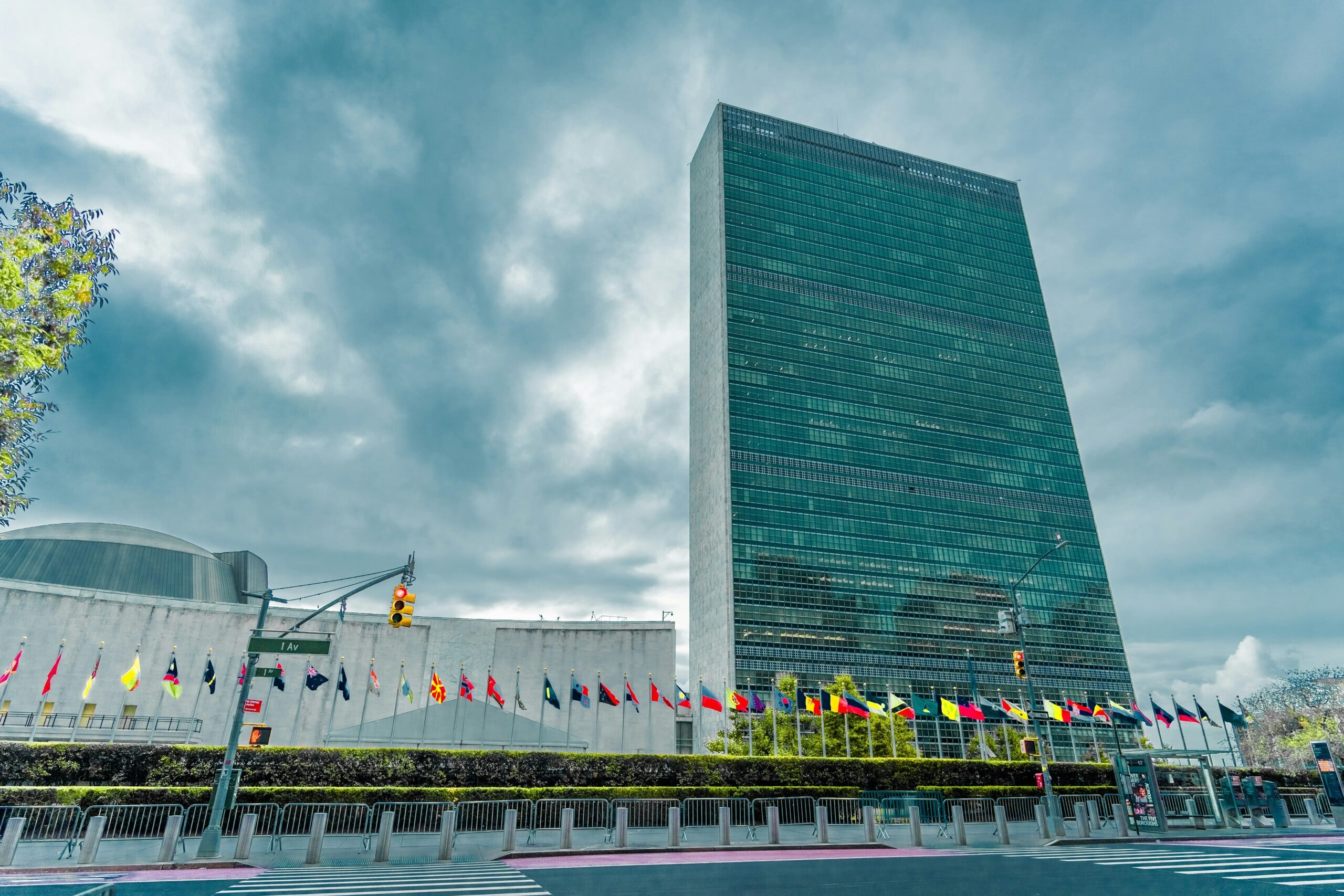
Photo caption: Unsplash.com
World leaders split sharply over how to govern artificial intelligence (AI) during the UN General Assembly’s High-Level Week, according to a UN News report published September 30. The speeches themselves were delivered earlier in the week at UN Headquarters in New York.
Most countries backed some form of global coordination on AI. The United States stood apart, with President Donald Trump arguing against anything that would “stifle growth” of a technology he called potentially “bigger than the Industrial Revolution.”
Guterres Warns Against “Capability Without Oversight”
UN Secretary-General António Guterres spoke about binding global rules, proposing stronger safeguards, independent oversight, and a new risk-management architecture. “The danger is not technology,” he told the General Assembly. “The danger is technology without accountability: capability without oversight, decision-making without transparency.”
Guterres called global coordination “indispensable.” Russia backed UN-centered rulemaking with universal buy-in, and Türkiye pushed specifically for a UN convention on AI, according to the report.
Who Controls the Data Behind AI
Several countries raised concerns about how AI’s underlying resources, data, computing power, and infrastructure, are concentrated among a small number of companies and nations.
Brazil flagged the outsized influence of big tech firms, and France warned about the risk of depending on either dominant states or a handful of private companies, according to the report.
Developing countries pushed for greater access to computing power, technical expertise, and a real say in setting standards, rather than simply being users of systems built elsewhere, the report said.
Singapore Calls for Cross-Border Incident Reporting
Singapore floated the idea of a future UN framework convention and a dedicated international AI institution.
It also backed testing, trust-building measures, and cross-border incident reporting, while flagging the risks of increasingly autonomous AI systems, according to the report.
A Widening Gap Between Global Ambition and U.S. Policy
For chief data officers (CDOs), this debate is a reminder that any hope for a single, harmonized global AI standard seems impossible at this point.
Trump’s remarks at the UN are consistent with his administration’s stance throughout this year: resisting AI-specific regulation domestically while opposing international coordination efforts abroad.
It is clear for organizations working across borders that regulatory expectations are not going to converge anytime soon. So, they should plan for it by having one set of expectations shaped by U.S. policy, and a different, more coordination-minded set taking shape everywhere else.
The concentration-of-power concerns raised by Brazil and France are also worth paying attention to.
Relying on a limited number of AI providers, rather than spreading that dependence across several, is becoming its own AI governance issue. If most of an organization’s AI work runs through just one or two vendors, there’s very little flexibility to respond if something goes wrong, a price hike, an outage, a safety incident, or a change in terms of service, because there’s no easy alternative to switch to.


 Elevate Your Personal Brand