
What Is a Chief Data Officer in 2026? Many people working within the data industry are saying the same thing: the role of the Chief Data Officer (CDO) has changed – but how? CDO Magazine began an expert survey to find out. We recent...
2026 CDO Report: Meet the Modern Data Team New survey of VP & C-level data and AI leaders confirms what’s stalling AI transformation.
Generative + Agentic AI: Moving From Experimentation to Enterprise Scale Generative and agentic AI are making their way into enterprise production, bringing new questions for Chief Data Officers (CDOs) and other data and AI leaders responsible for making these technologies...
Artificial Intelligence
South Korea’s Severance Hospital Unveils AI-Powered Ambulance Platform to Support Speedy Emergency Care

Written by: CDO Magazine
Updated 9:30 AM EST, February 6, 2026
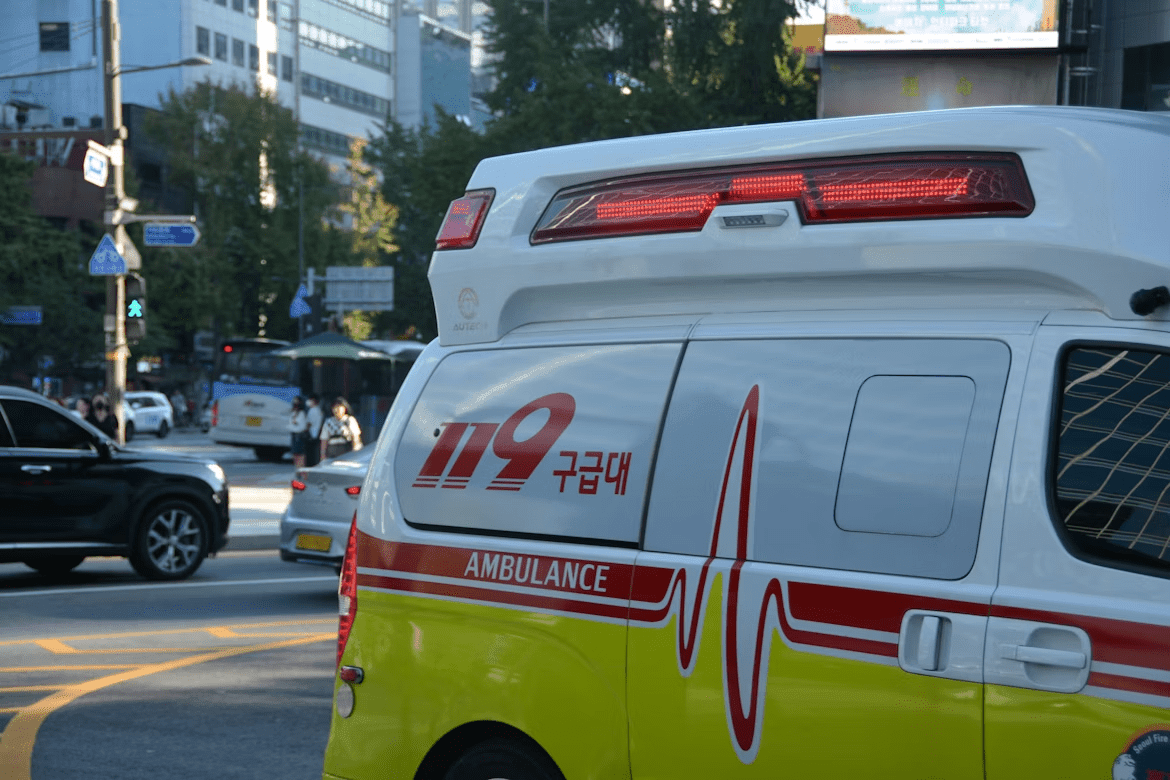
Researchers at Severance Hospital in South Korea have unveiled an AI-powered ambulance platform designed to support paramedics during emergencies by streamlining documentation, risk assessment, and hospital transfers.
Developed by Yonsei University in collaboration with South Korea’s National Fire Agency, the prototype — called the “Intelligence Emergency Activity Support Platform” — marks the first phase of a broader joint research and development initiative. The system integrates 10 artificial intelligence models to assist frontline responders in real time.
The platform delivers four core capabilities: converting spoken emergency interactions into structured clinical records; predicting patient deterioration and assessing on-site risks; generating pre-triage severity scores using ambulance CCTV footage before hospital arrival; and supporting treatment decisions, including recommending appropriate hospitals for patient transfer.
In recent field trials, paramedics gave the system an overall satisfaction score of 86 out of 100, citing the hospital transfer recommendation feature as especially valuable for real-world decision-making. The project is now moving into a second phase focused on quantitatively validating improvements in response time, workload reduction, communication accuracy, and system stability under operational conditions.
Emergency responders often juggle multiple critical tasks simultaneously — monitoring vital signs, identifying hospitals with available capacity, and relaying patient information — all under intense time pressure. The AI-driven platform aims to ease that burden by automating key processes and enabling faster, clearer communication with emergency department teams.
“The ultimate goal is to increase the efficiency of emergency rescue activities in ambulances and to quickly transmit records of patient conditions to the appropriate emergency room doctors, thereby improving patient survival rates,” said Professor Jang Hyuk-jae, who leads the research team.



 Elevate Your Personal Brand